

Renovated storefronts, busy office buildings, and growing neighborhoods in College Grove often rely on HVAC systems that operate very differently from those inside a single-family home. The demands placed on larger systems change how technicians approach cleaning, maintenance, and airflow management. Understanding these differences helps property owners know what type of service fits their building and whether HVAC cleaning in College Grove TN should be performed more frequently.
Larger Duct Networks Requiring Industrial-grade Cleaning Tools
Commercial buildings often contain duct networks that stretch across multiple floors or wide open layouts. These ducts are larger in diameter and can run for hundreds of feet, making them far more complex than the short, concentrated runs seen in homes. Because of the scale, cleaning requires equipment designed to reach deep into long duct pathways without losing suction or contact. Technicians handling commercial spaces use high-powered vacuums, rotary brush systems, and negative air machines that outperform residential tools. Residential equipment cannot generate the same force or coverage needed to clear debris from these oversized networks. Many building managers search for HVAC cleaning near me because they understand that commercial-sized tools are essential for cleaning these extensive ducts thoroughly.
How Commercial Airflow Demands Shape Cleaning Procedures
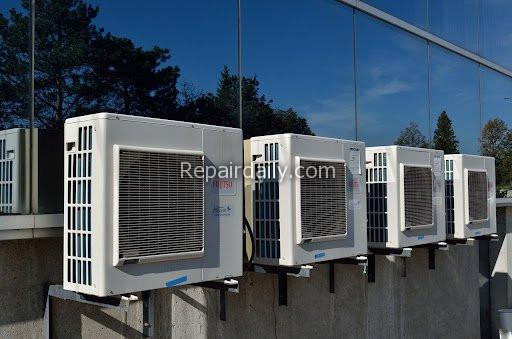
A commercial HVAC system is designed to serve larger populations and maintain comfort across varied zones. Airflow requirements are higher, and the system operates for longer periods without rest. This constant movement pulls in more airborne debris, which settles inside the ductwork, affecting airflow and temperature control.
Cleaning procedures in commercial buildings often involve multiple steps to maintain airflow performance. Instead of addressing only the ducts, technicians may clean the air handler, check pressure balances, and remove buildup around intake points. Airflow issues in commercial settings tend to spread faster than in residential spaces, which is why HVAC cleaning in College Grove TN is frequently scheduled as part of routine facility maintenance.
Filtration Differences Between Business and Home Systems
Businesses rely on filtration systems that are very different from those used in homes. While a residence may have a single filter slot, commercial systems often use banks of filters arranged in stages. These filters are designed to support higher airflow and capture more particles, especially in buildings where traffic introduces extra pollutants.
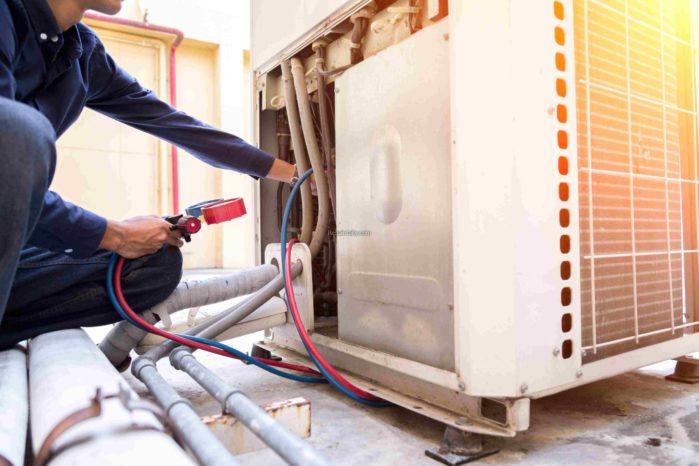
Stage-based filtration allows buildings to meet indoor air quality expectations, but it also means filters load up more quickly. Once filters become saturated, airflow decreases and debris finds alternative paths into the ducts. This difference in filter design changes how technicians approach cleaning and how often both ducts and filtration systems need inspection.
Why Rooftop Units Need Unique Inspection and Cleaning Steps
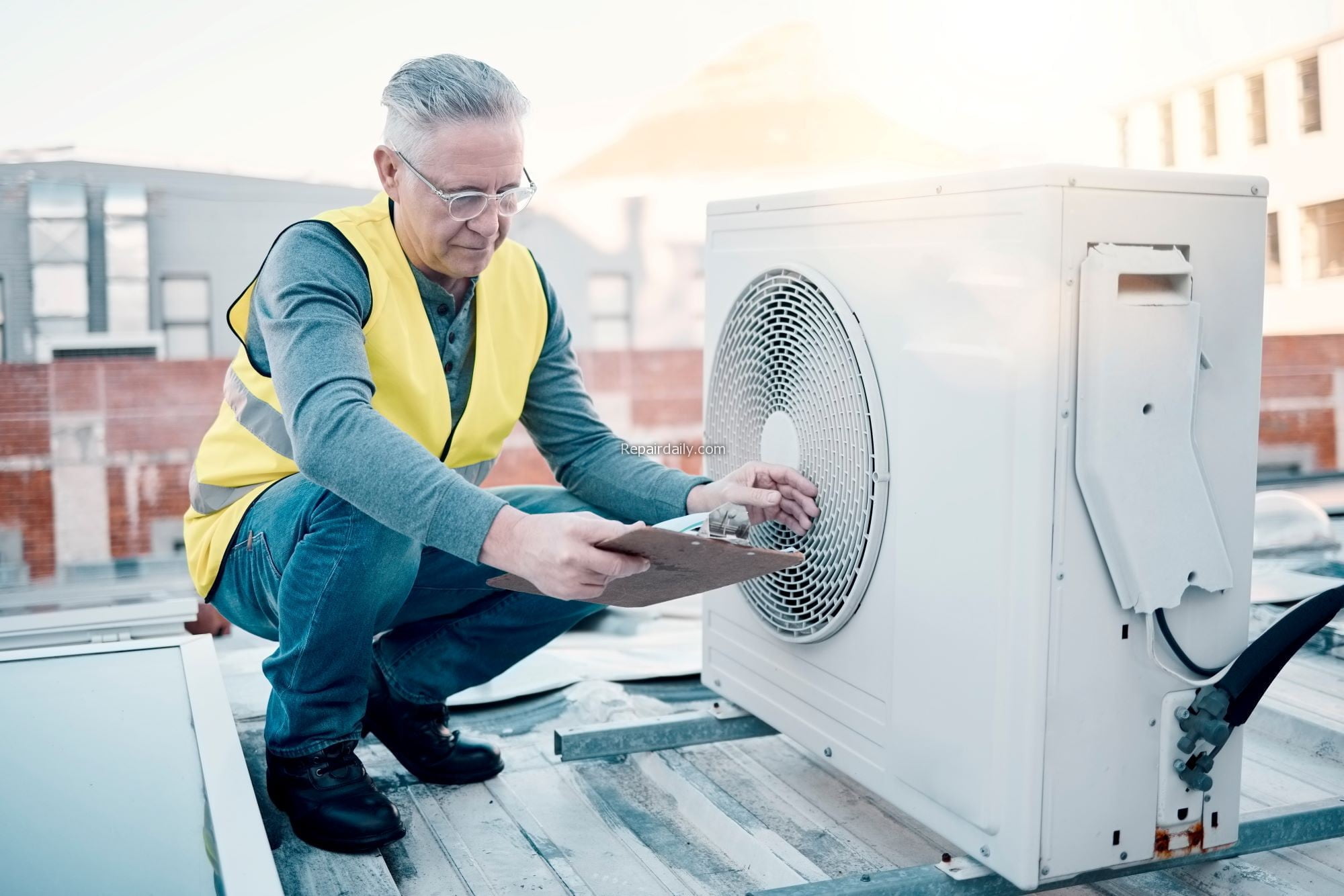
Many commercial buildings rely on rooftop HVAC units, which face very different conditions from indoor residential equipment. Rooftop units are exposed to outdoor debris, weather fluctuations, temperature extremes, and wind-driven dust. These factors change the cleaning approach entirely, as outdoor contaminants often enter the system before air ever reaches the ducts.
Inspection steps for rooftop units include checking coils for dirt buildup, clearing outdoor vents, and ensuring exterior panels remain sealed. A second layer of inspection often focuses on outdoor air intakes, where pollen, leaves, and fine debris gather. Technicians offering HVAC cleaning near me frequently emphasize rooftop unit maintenance because these systems influence indoor air long before it circulates through interior ducts.
Debris Loads Typical in High-traffic Commercial Buildings
High-traffic spaces introduce airborne contaminants more rapidly than homes. Foot traffic, merchandise movement, restaurant activity, or industrial work create a constant cycle of dust and fine debris entering the air through daily operations. This debris accumulates not only on surfaces but also inside the HVAC system as it pulls air through return pathways.
Once debris enters the duct system, it settles in layers that grow thicker over time. Different types of businesses create different debris profiles—for example, paper fibers in offices, textile dust in retail shops, or flour dust in food-related businesses. These varying conditions require tailored cleaning plans rather than the one-size-fits-all methods used in many residential properties.
How Extended Duct Runs Change Cleaning Frequency and Scope
Commercial ducts stretch farther than those in homes, creating more opportunities for debris to accumulate. Long horizontal runs collect dust in areas where airflow slows naturally, and bends in the system often trap heavier particles. These factors extend the cleaning scope well beyond what residential ducts typically require.
Cleaning frequency also changes because longer ducts mean more surface area for buildup. An office complex or retail location may require cleaning intervals that are more frequent than a residential home, especially if the building experiences high use. Technicians performing HVAC cleaning in College Grove TN often evaluate the duct layout before recommending a schedule that fits the building’s unique design.
Sanitation Standards Required for Commercial Indoor Air
Businesses face sanitation expectations that homes do not. Indoor air quality impacts staff comfort, customer impressions, and in some industries, regulatory compliance. This means commercial HVAC cleaning involves not only dust removal but also sanitation steps to reduce microbial growth inside ducts and system components.
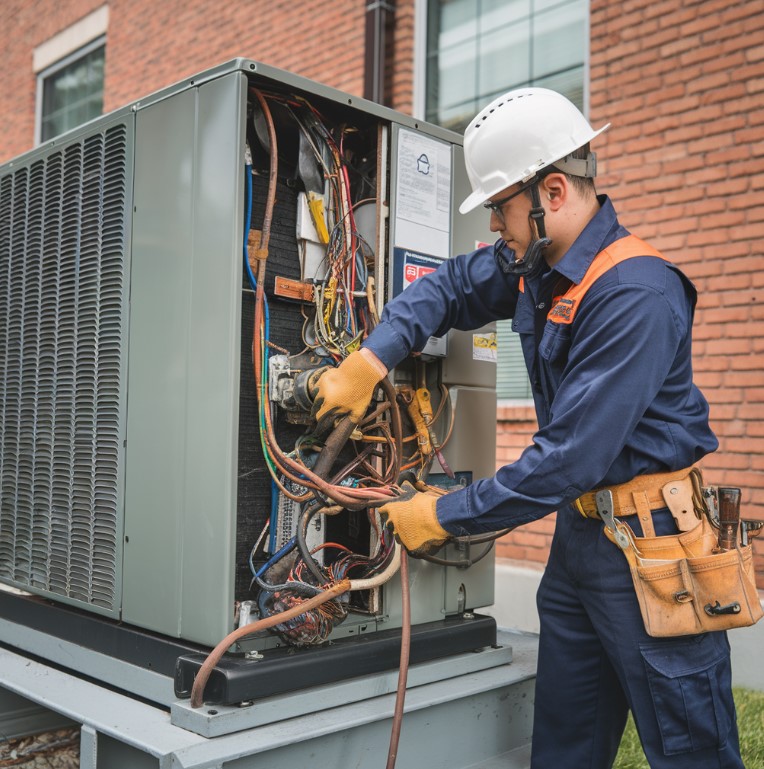
Sanitation products are selected based on the building’s purpose. Healthcare facilities, fitness centers, and food service operations may require advanced treatments to maintain acceptable indoor air conditions. The standards differ significantly from residential cleaning, where the primary goal is often comfort rather than compliance.
Reporting and Documentation Often Required for Business Systems
Unlike residential cleanings, commercial HVAC cleaning frequently requires documentation. Facility managers often request reports summarizing what was cleaned, debris found, and any system issues discovered during service. These records are used for inspections, maintenance planning, and sometimes insurance or regulatory verification.
Technicians may include photographic evidence, airflow measurements, filter condition notes, and service recommendations. Documentation provides building operators with a clear picture of system health and upcoming needs. For facilities seeking support, companies such as Mr B offer detailed commercial and residential HVAC cleaning services that help maintain building performance while meeting documentation expectations.
