

For years, the garage was the architectural equivalent of a utility closet. It was necessary, often messy, and designed purely for function with little regard for form. But as modern architecture pushes the boundaries of residential design, the garage has emerged as a critical element of the home’s exterior composition. In the world of high design, every square inch matters, and the massive surface area of a garage door offers a unique opportunity to blend sleek aesthetics with cutting edge technology.
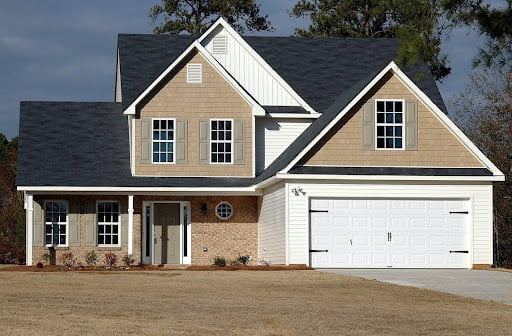
Today, we are witnessing a shift where the garage is no longer just a place to park cars. It is becoming a sophisticated entry point that reflects the homeowner’s taste for minimalism, security, and smart living. By marrying industrial materials with invisible technology, designers are transforming these spaces into seamless extensions of the modern home.
The Aesthetic of Silence and Minimalism
The current trend in luxury home design is “visual quietness.” This philosophy strips away unnecessary ornamentation to reveal pure forms and honest materials. In the context of garage doors, this translates to flush panel designs, frameless glass, and matte finishes that absorb rather than reflect light. The goal is to make the door feel like an intentional part of the building’s skin rather than a tacked on accessory.
Architects are increasingly specifying materials that weather gracefully and provide texture. blackened steel, anodized aluminum, and rich composite woods are replacing the stamped metal doors of the past. These materials offer a tactile quality that grounds the home. When paired with a belt drive opener, which operates with a whisper rather than a rattle, the entire experience of arriving home becomes one of serenity and calm. The mechanical noise is eliminated, leaving only the smooth, gliding motion of a well engineered system.
The Invisible Tech Ecosystem
While the exterior focuses on beauty, the interior is all about brains. The modern garage is a hub of connectivity. Smart openers now integrate effortlessly with home automation platforms, allowing homeowners to control access via smartphone, voice commands, or geofencing. This technology provides peace of mind, sending alerts if a door is left open or allowing temporary access for deliveries without handing out a physical key.
However, this sophisticated ecosystem requires precise calibration. A high tech door is only as good as the motor driving it. When these complex systems drift out of alignment or the logic board glitches, the magic fades. It is crucial to address these issues immediately to maintain the system’s integrity. Scheduling professional garage door opener repair at the first sign of trouble ensures that the silent, smooth operation remains a luxury you can take for granted, rather than becoming a source of frustration.
Climate Responsive Design
True design innovation is not just about looks; it is about performance. In regions with extreme weather variances, the garage door acts as a thermal shield. Modern manufacturing allows for high R value insulation to be hidden within slim, elegant profiles. This means a designer does not have to sacrifice the thin lines of a mid century modern aesthetic to gain the warmth needed for a Minnesota winter.
This balance is particularly evident in suburban renovations where older housing stock is being updated for contemporary living. For instance, homeowners upgrading their properties in the Twin Cities area are moving away from uninsulated, drafty doors toward robust, thermally broken models that look like natural wood but perform like industrial steel. Residents searching for a roseville garage door upgrade are often looking for this exact intersection of style and stamina, choosing products that elevate their curb appeal while keeping their energy bills in check.
Lighting as an Architectural Feature
Lighting plays a pivotal role in redefining the garage. In the past, lighting was utilitarian—a single bulb to help you find your keys. Now, it is sculptural. Exterior downlights installed in the overhang can wash the door in soft light, highlighting the texture of the wood or the sheen of the metal. This technique creates a dramatic visual anchor for the home at night.
Inside, the shift is just as dramatic. As garages evolve into multi use spaces—home gyms, art studios, or workshops—the lighting quality must improve. LED strips integrated into the rails or motion activated fixtures that provide high CRI (Color Rendering Index) light make the space feel as welcoming as the living room. It turns a dark cavern into a bright, functional studio where creativity can happen.
The Return on Design
investing in a high design garage door is one of the few home improvements that offers almost immediate visual satisfaction and long term financial value. It changes the narrative of the home from the street level. A custom glass and aluminum door can modernize a dated brick ranch instantly, while a carriage house style door can add instant history to a new build.
Beyond the financial ROI, there is a “lifestyle ROI.” There is a distinct pleasure in interacting with a well designed object every day. The heavy, solid thud of a quality door closing, the silence of the motor, and the beauty of the materials all contribute to a daily sense of order and luxury.

Conclusion
The garage is finally getting its due as a design destination. It is a space where the rugged durability of industrial engineering meets the refined elegance of modern architecture. By focusing on premium materials, integrating smart technology, and respecting the environmental context, homeowners can turn the largest opening in their house into its most impressive feature. In the end, good design is about solving problems with elegance, and the modern intelligent garage does exactly that.
