

Key Takeaways
- Temperature, rainfall, humidity, drought, and cold snaps can all influence pest activity.
- Warm conditions can increase insect movement, feeding, and reproduction.
- Heavy rain may push ants and other insects toward dry, protected areas indoors.
- Standing water after storms can create mosquito breeding opportunities.
- Heat and drought can drive pests into homes in search of shade and moisture.
- Sealing gaps, managing moisture, and removing food sources can reduce pest pressure.
- Early inspections are usually easier than dealing with repeated indoor sightings.
Table of Contents
- Why Weather Changes Pest Activity
- How Temperature Affects Common Household Pests
- What Rainfall and Humidity Can Trigger
- Why Heat and Drought Can Drive Pests Indoors
- Seasonal Pest Patterns to Watch
- Simple Weather-Based Prevention Steps
- When to Inspect a Home
- Common Questions About Weather and Pests
- Conclusion
Weather can change how, when, and where pests appear around a home. A sudden stretch of heat, several days of rain, high humidity, or an early cold snap can all affect the food, water, and shelter pests need. Homeowners who understand these patterns can often spot problems sooner and take practical action before activity becomes harder to manage. For local help with inspections and prevention, Romney Pest Control can help identify conditions that may be attracting pests to a property.
The weather does not create every pest problem by itself, but it can make existing conditions more favorable. Small exterior gaps, damp crawl spaces, standing water, uncovered food, cluttered storage areas, and overgrown landscaping may become more important when the weather shifts. Paying attention to those changes helps homeowners respond with prevention rather than waiting for a larger infestation.
Why Weather Changes Pest Activity
Pests respond to their surroundings. When outdoor temperatures rise, many insects become more active and may find food more easily. When rain soaks the ground, nests and hiding places can become flooded or unstable. When the weather becomes dry, the water available inside or near a home can become especially appealing. These changes can bring activity closer to doors, windows, garages, attics, crawl spaces, and foundation walls.
Different pests react differently. Ants may relocate after heavy rain, while mosquitoes benefit from water left behind after a storm. Rodents may move indoors as temperatures fall, and spiders may become more noticeable where flying insects gather around outdoor lighting. Weather is one part of the picture, but it often reveals weak points in a home’s defenses.
How Temperature Affects Common Household Pests
Warm Temperatures
Warm weather can speed up activity for ants, flies, mosquitoes, cockroaches, wasps, and many other insects. Higher temperatures often support faster movement, more frequent feeding, and increased reproduction. A small outdoor ant trail or a few flies near a trash bin may become more noticeable quickly when conditions remain warm for several days.
Spiders may also appear more often around porches, garages, and windows because their prey gathers near lights. Wasps can begin building nests beneath eaves, in sheds, and around decks. Regularly checking these areas during warm periods can make it easier to address new activity before nests or populations grow.
Cold Weather
Cold weather slows many insects, but it can encourage rodents and occasional invaders to seek protected indoor spaces. Mice may enter through small openings around utility lines, garage doors, vents, and damaged weatherstripping. Attics, wall voids, storage rooms, and crawl spaces offer warmth and shelter when conditions outside become harsh.
A brief warm spell during winter can also lead to unexpected movement. Homeowners may see insects near sunny windows or exterior walls, especially if pests have been sheltering in protected cracks and voids.
What Rainfall and Humidity Can Trigger
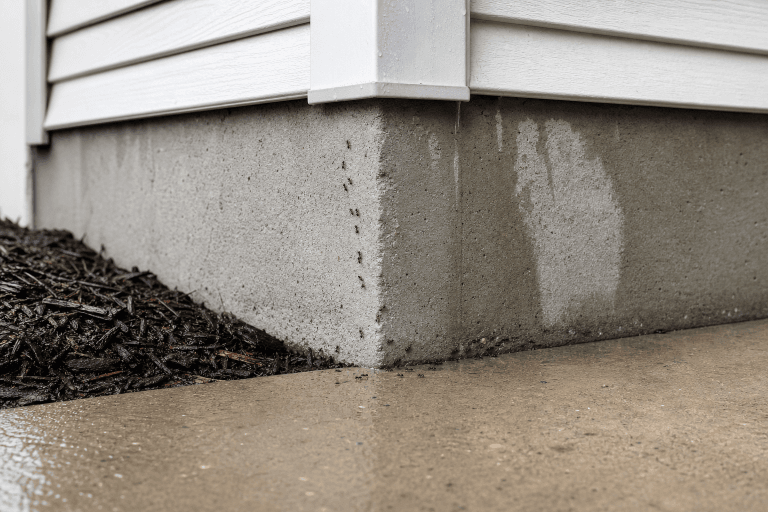
Rainfall can change pest behavior almost immediately. Saturated soil may disturb ant colonies and encourage them to move toward higher, drier ground. Water collecting in gutters, toys, plant saucers, buckets, birdbaths, and tarps can create ideal mosquito habitat. Because adult mosquitoes can live both indoors and outdoors, removing places where water collects is a useful part of reducing activity around the home. Mosquitoes can bite day and night, so prevention should not be limited to evening hours.
Humidity matters indoors as well. Damp basements, bathrooms, kitchens, laundry rooms, and crawl spaces can attract cockroaches, silverfish, and other moisture-loving pests. After rainy weather, check for leaks, condensation, musty odors, and water that drains toward the foundation.
Quick Moisture Checklist
- Empty outdoor containers after rain.
- Clean gutters and make sure downspouts direct water away from the home.
- Repair dripping faucets, leaking pipes, and outdoor spigots.
- Use exhaust fans or ventilation in bathrooms, kitchens, and laundry rooms.
- Improve drainage near the foundation and avoid overwatering plants near exterior walls.
Why Heat and Drought Can Drive Pests Indoors
Hot, dry conditions can reduce the water and shade available outdoors. As a result, pests may move closer to homes where they can find pet bowls, condensation around pipes, leaky faucets, damp mop heads, or overwatered houseplants. Garages and shaded areas along the foundation can also provide relief from extreme heat.
Keeping pests out still depends on exclusion. Inspect door sweeps, window screens, vents, utility penetrations, and cracks in exterior walls. Sealing openings helps reduce access, whether the weather is wet, dry, hot, or cold.
Seasonal Pest Patterns to Watch
Spring
Heavy rain can send ants searching for dry areas, while standing water can increase mosquito activity. Wasps may begin new nests around eaves, porches, fences, and sheds. Early spring is a useful time to inspect screens, gutters, and exterior seals.
Summer
Flies, cockroaches, mosquitoes, and ants can become more active during warm, humid stretches. Outdoor lighting may attract flying insects, which can, in turn, attract spiders. Keep trash covered, rinse recyclables, and avoid leaving pet food outside overnight.
Fall and Winter
As temperatures drop, rodents and outdoor insects may look for protected entry points. Leaf piles, stacked firewood, cardboard, and yard debris can provide shelter near the house. Move those materials away from the foundation and inspect indoor storage spaces for droppings, gnawing, shed wings, or repeated sightings.
Simple Weather-Based Prevention Steps
- Inspect the exterior. Look for cracks, loose screens, damaged vents, and gaps around pipes.
- Control water. Remove standing water and repair leaks promptly.
- Reduce shelter. Keep firewood, mulch, cardboard, and yard debris away from exterior walls.
- Protect food. Store pantry items in sealed containers and clean crumbs and spills quickly.
- Monitor high-risk areas. Check kitchens, bathrooms, garages, attics, crawl spaces, and basements after weather changes.
A practical prevention plan follows the same basic idea as integrated pest management principles: identify the pest, monitor conditions, correct attractants, and use targeted control only when needed. This approach can help homeowners avoid treating every sighting as the same problem.
When to Inspect a Home
Inspect after major weather changes, especially heavy rain, extended heat, the first cold nights of fall, or repeated humidity indoors. One sighting may not always mean an infestation, but repeated activity near food, moisture, or entry points deserves attention. Warning signs include droppings, shed wings, nests, grease marks, damaged wood, unusual odors, and insects appearing in the same area again and again.
Cleaning, drying, and sealing may solve minor issues. If activity continues despite these steps, a professional inspection can help locate hidden entry points, moisture problems, nests, or nesting areas. Always follow product labels carefully and never mix pesticide products.
Common Questions About Weather and Pests
Do pests become more active after rain?
Many do. Rain can flood nests, change soil moisture, and leave behind standing water, which may affect ants, mosquitoes, and other insects.
Can a mild winter cause an early pest season?
Warmer winter conditions may allow some pests to remain active longer or emerge earlier when spring temperatures arrive.
Why do ants enter homes during wet weather?
Saturated soil can disrupt colonies and encourage ants to search for drier shelter, food, or higher ground.
Does hot weather always increase pest activity?
Not always. Heat can increase activity for some pests, while extreme heat and drought may push others indoors in search of water.
Conclusion
Weather patterns can change the timing and intensity of pest activity around a home. By watching rainfall, temperature shifts, humidity, drought, and seasonal transitions, homeowners can identify risks earlier. Removing water, sealing gaps, protecting food, and reducing shelter are simple steps that can make a meaningful difference throughout the year.