

15 Plumbing Marketing Strategies That Actually Bring in Customers


abc news

A plumbing business can be the best in town and still struggle to get the phone ringing if nobody knows it exists. Marketing for plumbers works differently than a lot of industries, because most calls come from people dealing with an actual emergency who need someone right now, not next week. That means visibility matters more than anything else. Showing up when someone searches, showing up in a text, showing up in the neighborhood mailbox. A lot of plumbing companies spend money on marketing without a clear plan and end up with a nice looking website that never generates calls. Working with a digital marketing agency Fort Lauderdale plumbers already trust can help sort out what’s worth the budget. Here are 15 strategies that actually move the needle.

1. Claim and Optimize the Google Business Profile

Google Business Profile Blue Anchor Digital

Most people searching for a plumber never scroll past the map results. A profile that’s filled out completely and kept active shows up more often and gets clicked more.


  • Add real photos of trucks, tools, and completed jobs
  • List every service offered, not just the main ones
  • Keep hours accurate, especially around holidays
  • Post updates or offers a few times a month
  • Fill in the business description with actual service details, not vague marketing language
  • Answer questions that show up on the profile before a competitor answers them first

A neglected profile with outdated hours or no photos gets buried under competitors who bother to update theirs.


2. Build Out Local SEO by Service Area

A plumber working across five or six towns needs a page for each one, not just a single “service area” mentioned on the homepage. Each page should cover the actual services offered in that town, mention nearby neighborhoods, and avoid copying the same page with the city name swapped out.


Beyond the page itself, local rankings depend on consistent business information across directories. The name, address, and phone number need to match exactly everywhere they appear, since mismatched details confuse search engines and quietly hurt rankings.


local seo

3. Run Google Ads for Emergency Jobs

Organic rankings take months to build. Ads show up immediately, which matters for a burst pipe at 2 a.m. Ads work best when they target specific emergency terms, run around the clock instead of just business hours, and point to a page built for fast action, not the general homepage. A slow-loading page or a confusing form loses the click that was already paid for.

Budget matters less than structure here. A campaign split by service, like drain cleaning, water heaters, and emergency repairs, performs better than one broad campaign lumping everything together.

4. Collect Reviews on Purpose

Reviews decide whether a new customer picks up the phone or scrolls to the next name. Most happy customers never think to leave one unless asked directly.

  • Send a text or email asking for a review right after the job is done
  • Make the process a single click, not five steps
  • Respond to every review, good or bad, without getting defensive
  • Train technicians to mention reviews naturally at the end of a job

A steady stream of new reviews matters more than one big batch every few months.

5. Keep the Website Focused on Getting Calls

A plumbing website doesn’t need to be flashy. It needs a phone number that’s easy to find, a clear list of services, and a way to book or request service without digging through menus.

  • Put the phone number in the header on every page
  • List services by name, not vague categories
  • Keep load time fast, since slow pages lose visitors before they even see the offer
  • Add a simple contact form as a backup for people who don’t want to call

Every extra click between a visitor and a phone call is a chance to lose them.

6. Publish Helpful Content, Not Just Sales Pages

A blog covering common problems, like a water heater that won’t heat or a toilet that keeps running, brings in visitors who are searching for answers and often need a plumber right after. Content works best when it answers a real question plainly, includes practical detail instead of vague advice, and links back to the relevant service page.

This kind of content also builds long-term traffic that doesn’t require ongoing ad spend.

7. Stay Active on Social Media

Social media won’t replace a website, but it builds familiarity. Before and after photos of a messy job turned clean, quick tips on preventing clogs, and short videos of a repair in progress all perform well because they’re real, not staged.

Consistency matters more than polish here. A few honest posts a week outperform one perfectly produced video posted once a month.

8. Use Email to Stay in Front of Past Customers

A customer who used a plumber two years ago for a leak might need a water heater replacement now, but they won’t remember the name without a reminder. A simple email every couple months with a seasonal tip or a maintenance reminder keeps the business top of mind without feeling like a sales pitch.

Segmenting the list helps too. A customer who just had a water heater installed doesn’t need the same email as one overdue for a drain cleaning.

9. Set Up a Referral Program

Word of mouth already drives a huge share of the plumbing business. A referral program just makes it official.

  • Offer a discount or small reward for both the referrer and the new customer
  • Make the offer easy to explain in one sentence
  • Remind past customers about it occasionally, since most forget it exists

10. Use Direct Mail in Target Neighborhoods

Digital marketing gets most of the attention now, but door hangers and postcards still work in local service businesses. They work best sent to neighborhoods with older homes, since older plumbing tends to fail more often, and paired with a specific offer instead of a generic “call us” message.

Timing also plays a role. Mailers sent right before seasonal changes, like before winter pipes freeze, tend to get noticed more than ones sent at random.

11. Post How-To and Explainer Videos

Video builds trust faster than text alone. Short videos showing how to shut off a main water valve, what a slow drain usually means, or how a repair actually gets done, position a plumber as the expert before the phone even rings. These don’t need to be polished, just clear and useful.

Videos also work well repurposed across platforms. The same clip filmed for a website can be trimmed for social media or added to a Google Business Profile.

12. Build Relationships with Real Estate Agents and Property Managers

Real Estate Agents

Agents and property managers deal with plumbing issues constantly, from inspection repairs to tenant emergencies, and they need someone reliable to call. A short introduction, a business card left with a few local offices, and consistent follow-through on the first job or two can turn into a steady stream of repeat referrals.

These relationships take longer to build than a single ad campaign, but they tend to bring in higher value jobs without any additional marketing spend.

13. Send Text Reminders and Updates

Texting gets read faster than email or phone calls. A quick text confirming an appointment, letting a customer know the technician is on the way, or following up after a job shows professionalism and cuts down on missed appointments.

This small habit also reduces no-shows, since customers who get a heads up are more likely to be home.

14. Run Retargeting Ads for Website Visitors

Most people who visit a website don’t call on the first visit. Retargeting ads show up again later, on other sites or social media, as a reminder. This works especially well for bigger jobs like repiping or water heater replacement, where people take longer to decide.

Keeping the ad creative varied matters here too, since showing the same single image repeatedly gets ignored fast.

15. Track Where Calls Actually Come From

None of these strategies mean much without knowing which ones bring in real calls. Call tracking numbers on ads, website forms, and social media links show exactly where the phone rings are coming from.

  • Use a different tracking number for each major channel
  • Review the numbers monthly, not just once a year
  • Cut spending on what isn’t working instead of guessing
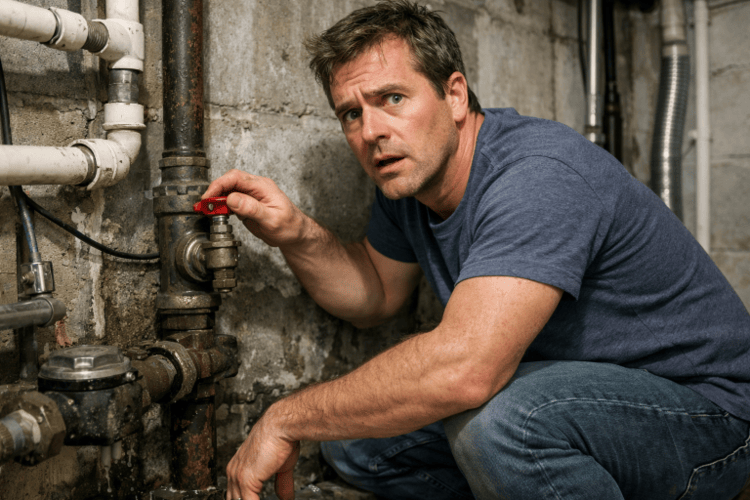
Essential Tips for Managing Plumbing Emergencies at Home

Putting It All Together

None of these 15 strategies need a huge budget to start. What matters is picking a few, doing them consistently, and tracking whether they bring in calls. A plumbing business that shows up reliably online, follows up with past customers, and asks for reviews will beat a competitor with a bigger budget but no consistency. Start with the basics, build from there.

 

15 Plumbing Marketing Strategies That Actually Bring in Customers


abc news

A plumbing business can be the best in town and still struggle to get the phone ringing if nobody knows it exists. Marketing for plumbers works differently than a lot of industries, because most calls come from people dealing with an actual emergency who need someone right now, not next week. That means visibility matters more than anything else. Showing up when someone searches, showing up in a text, showing up in the neighborhood mailbox. A lot of plumbing companies spend money on marketing without a clear plan, and end up with a nice looking website that never generates calls. Working with a digital marketing agency Fort Lauderdale plumbers already trust can help sort out what’s worth the budget. Here are 15 strategies that actually move the needle.


Google Business Profile Blue Anchor Digital


1. Claim and Optimize the Google Business Profile

Most people searching for a plumber never scroll past the map results. A profile that’s filled out completely and kept active shows up more often and gets clicked more.


  • Add real photos of trucks, tools, and completed jobs
  • List every service offered, not just the main ones
  • Keep hours accurate, especially around holidays
  • Post updates or offers a few times a month
  • Fill in the business description with actual service details, not vague marketing language
  • Answer questions that show up on the profile before a competitor answers them first

A neglected profile with outdated hours or no photos gets buried under competitors who bother to update theirs.


2. Build Out Local SEO by Service Area

A plumber working across five or six towns needs a page for each one, not just a single “service area” mentioned on the homepage. Each page should cover the actual services offered in that town, mention nearby neighborhoods, and avoid copying the same page with the city name swapped out.


Beyond the page itself, local rankings depend on consistent business information across directories. The name, address, and phone number need to match exactly everywhere they appear, since mismatched details confuse search engines and quietly hurt rankings.

3. Run Google Ads for Emergency Jobs

Organic rankings take months to build. Ads show up immediately, which matters for a burst pipe at 2 a.m. Ads work best when they target specific emergency terms, run around the clock instead of just business hours, and point to a page built for fast action, not the general homepage. A slow-loading page or a confusing form loses the click that was already paid for.

Budget matters less than structure here. A campaign split by service, like drain cleaning, water heaters, and emergency repairs, performs better than one broad campaign lumping everything together.

4. Collect Reviews on Purpose

Reviews decide whether a new customer picks up the phone or scrolls to the next name. Most happy customers never think to leave one unless asked directly.

  • Send a text or email asking for a review right after the job is done
  • Make the process a single click, not five steps
  • Respond to every review, good or bad, without getting defensive
  • Train technicians to mention reviews naturally at the end of a job

A steady stream of new reviews matters more than one big batch every few months.

5. Keep the Website Focused on Getting Calls

A plumbing website doesn’t need to be flashy. It needs a phone number that’s easy to find, a clear list of services, and a way to book or request service without digging through menus.

  • Put the phone number in the header on every page
  • List services by name, not vague categories
  • Keep load time fast, since slow pages lose visitors before they even see the offer
  • Add a simple contact form as a backup for people who don’t want to call

Every extra click between a visitor and a phone call is a chance to lose them.

6. Publish Helpful Content, Not Just Sales Pages

A blog covering common problems, like a water heater that won’t heat or a toilet that keeps running, brings in visitors who are searching for answers and often need a plumber right after. Content works best when it answers a real question plainly, includes practical detail instead of vague advice, and links back to the relevant service page.

This kind of content also builds long-term traffic that doesn’t require ongoing ad spend.

7. Stay Active on Social Media

Social media won’t replace a website, but it builds familiarity. Before and after photos of a messy job turned clean, quick tips on preventing clogs, and short videos of a repair in progress all perform well because they’re real, not staged.

Consistency matters more than polish here. A few honest posts a week outperform one perfectly produced video posted once a month.

8. Use Email to Stay in Front of Past Customers

A customer who used a plumber two years ago for a leak might need a water heater replacement now, but they won’t remember the name without a reminder. A simple email every couple months with a seasonal tip or a maintenance reminder keeps the business top of mind without feeling like a sales pitch.

Segmenting the list helps too. A customer who just had a water heater installed doesn’t need the same email as one overdue for a drain cleaning.

9. Set Up a Referral Program

Word of mouth already drives a huge share of the plumbing business. A referral program just makes it official.

  • Offer a discount or small reward for both the referrer and the new customer
  • Make the offer easy to explain in one sentence
  • Remind past customers about it occasionally, since most forget it exists

10. Use Direct Mail in Target Neighborhoods

Digital marketing gets most of the attention now, but door hangers and postcards still work in local service businesses. They work best sent to neighborhoods with older homes, since older plumbing tends to fail more often, and paired with a specific offer instead of a generic “call us” message.

Timing also plays a role. Mailers sent right before seasonal changes, like before winter pipes freeze, tend to get noticed more than ones sent at random.

11. Post How-To and Explainer Videos

Video builds trust faster than text alone. Short videos showing how to shut off a main water valve, what a slow drain usually means, or how a repair actually gets done, position a plumber as the expert before the phone even rings. These don’t need to be polished, just clear and useful.

Videos also work well repurposed across platforms. The same clip filmed for a website can be trimmed for social media or added to a Google Business Profile.

12. Build Relationships with Real Estate Agents and Property Managers

Agents and property managers deal with plumbing issues constantly, from inspection repairs to tenant emergencies, and they need someone reliable to call. A short introduction, a business card left with a few local offices, and consistent follow-through on the first job or two can turn into a steady stream of repeat referrals.

These relationships take longer to build than a single ad campaign, but they tend to bring in higher value jobs without any additional marketing spend.

13. Send Text Reminders and Updates

Texting gets read faster than email or phone calls. A quick text confirming an appointment, letting a customer know the technician is on the way, or following up after a job shows professionalism and cuts down on missed appointments.

This small habit also reduces no-shows, since customers who get a heads up are more likely to be home.

14. Run Retargeting Ads for Website Visitors

Most people who visit a website don’t call on the first visit. Retargeting ads show up again later, on other sites or social media, as a reminder. This works especially well for bigger jobs like repiping or water heater replacement, where people take longer to decide.

Keeping the ad creative varied matters here too, since showing the same single image repeatedly gets ignored fast.

15. Track Where Calls Actually Come From

None of these strategies mean much without knowing which ones bring in real calls. Call tracking numbers on ads, website forms, and social media links show exactly where the phone rings are coming from.

  • Use a different tracking number for each major channel
  • Review the numbers monthly, not just once a year
  • Cut spending on what isn’t working instead of guessing

Essential Tips for Managing Plumbing Emergencies at Home

Putting It All Together

None of these 15 strategies need a huge budget to start. What matters is picking a few, doing them consistently, and tracking whether they bring in calls. A plumbing business that shows up reliably online, follows up with past customers, and asks for reviews will beat a competitor with a bigger budget but no consistency. Start with the basics, build from there.