

Table of Contents
- Shut Off the Water Supply
- Turn Off the Water Heater
- Address Small Leaks
- Handle Overflowing Fixtures
- Thaw Frozen Pipes Safely
- Prevent Future Emergencies
- When to Call a Professional
Plumbing issues can quickly escalate into stressful and costly situations. Whether it’s a burst pipe or an overflowing sink, knowing how to respond during a crisis can make all the difference. Homeowners in Marietta and beyond should take time to prepare themselves so they can act swiftly and mitigate water damage. Access to resources such as emergency plumbing professionals can be invaluable during these times.
Most plumbing emergencies can be handled more effectively when you have a basic plan in place. Learning key preventative steps as well as immediate actions to take ensures you can respond to unexpected situations with confidence. In addition, being aware of when professional assistance is necessary will help you protect your property and avoid larger repair bills down the line.
No matter the time of year, resolving plumbing problems quickly is important for every homeowner. Early response is critical, as even small leaks can develop into expensive problems if left unchecked. Not only does this safeguard your home’s structure, but it can also protect your family’s health by preventing mold and mildew growth.
Gaining knowledge and familiarizing yourself with home plumbing basics can go a long way. From shutting off the water to dealing with frozen pipes, a proactive approach gives you peace of mind throughout the year. When immediate problems arise that require a professional touch, do not hesitate to reach out to a qualified plumber.
Shut Off the Water Supply
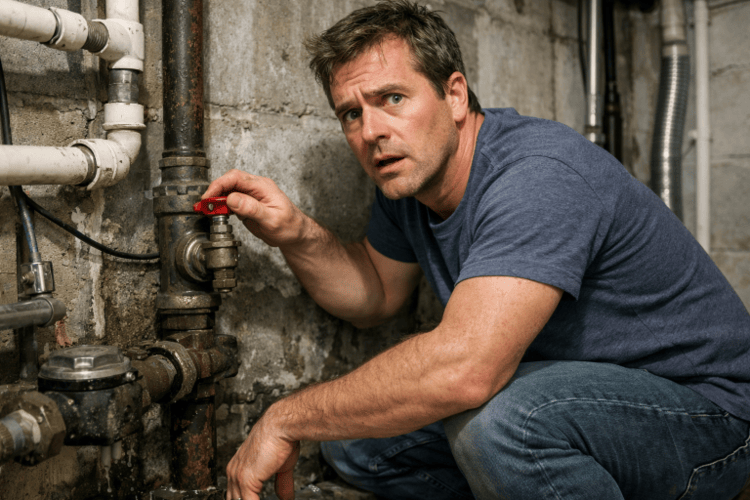
When faced with a plumbing emergency, the most critical step is to stop water flow as soon as possible. Every homeowner should know the location of the main shut-off valve, usually situated near the water meter or where the main supply line enters the house. Turning the valve clockwise will cut off water, minimizing immediate flooding and reducing further water damage. Experts recommend regularly practicing how to turn off this valve so you are prepared in a crisis.
Turn Off the Water Heater
The second key action is to turn off your water heater after shutting off the main supply. For electric heaters, switch off the breaker, and for gas heaters, turn the gas valve off. This step prevents the water heater from overheating or becoming damaged due to empty operation. Addressing this quickly will also help prevent the risk of hot water leaks or additional complications caused by high pressure inside the tank.
Address Small Leaks
Small leaks can be managed temporarily while you wait for professional repairs. Using plumber’s tape, pipe clamps, or even rags can help contain a leak in the short term. Place a bucket under the leaking area to catch any water and prevent it from spreading to other parts of your home. Quick action here can help avoid water damage to floors, walls, and personal belongings.
Handle Overflowing Fixtures
Overflowing sinks or toilets are a common headache. Avoid reaching for chemical drain cleaners, which can harm your pipes and are often ineffective on stubborn clogs. Use a plunger to try to clear simple obstructions. If plunging does not work, it is wise to stop using the fixture until a professional assessment can be performed. You can learn more about safe DIY plumbing practices at Family Handyman.
Thaw Frozen Pipes Safely
Frozen pipes that are not thawed correctly can burst and cause major flooding. To safely thaw a frozen pipe, gently apply heat using a hair dryer or a heating pad, starting near the faucet and moving upstream. Never use open flames, as this can present a significant fire hazard and further damage the pipe. Keeping the affected faucet open will allow water to flow once the ice melts, helping relieve pressure within the pipe.
Prevent Future Emergencies
While not all plumbing emergencies can be predicted, routine maintenance goes a long way toward prevention. Insulate exposed pipes, especially in colder climates, to protect against freezing. Install leak detectors in areas prone to water issues and have your plumbing system checked annually to identify and solve small problems before they become major crises. Educating yourself and your family about where shut-off valves are located is also a smart preventative step.
When to Call a Professional
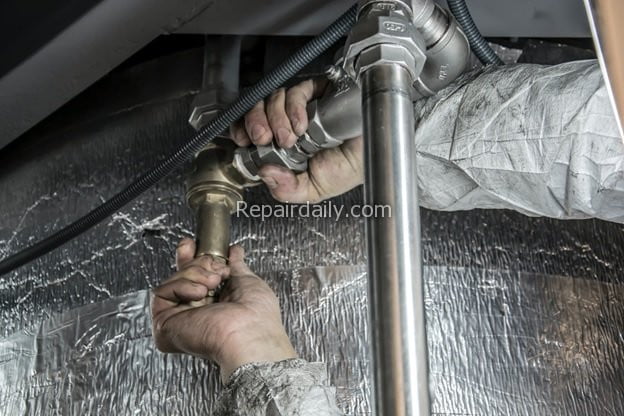
Some situations require expert intervention, regardless of preparation. Burst pipes, sewage backups, and constant leaks are examples where immediate professional help is necessary. Trying to resolve these problems on your own can cause more extensive damage or pose health risks. Contacting a licensed plumber promptly ensures the issue is managed safely and efficiently, saving you time, money, and stress overall.
Dealing with plumbing emergencies is less overwhelming with the right knowledge and planning. By learning how to shut off water quickly, implementing regular maintenance, and recognizing when professional help is needed, homeowners can protect their homes and prevent extensive damage. Take steps now to prepare for unexpected situations so you can act decisively and confidently when emergencies arise.