

Damp concrete block walls can hold water in hollow cores and release it slowly indoors. Moisture may enter through porous masonry, failed mortar joints, exterior cracks, or saturated soil. Effective basement leak repair controls that water path before damaged finishes are replaced.
Why Concrete Block Walls Stay Damp Longer Than Expected
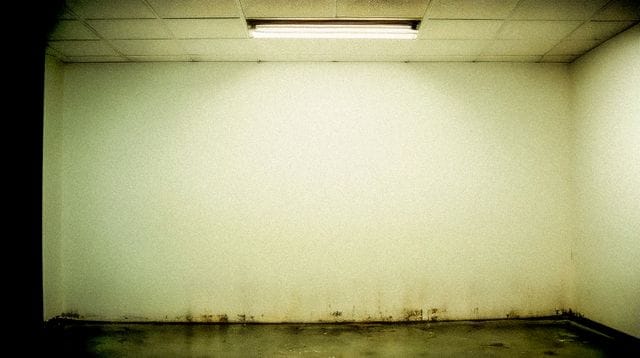
Concrete masonry units contain pores that move moisture through capillary action. Hollow cores can collect water after it passes through a crack, loose mortar joint, or poorly sealed penetration, allowing dampness to appear several feet from the entry point. Mineral deposits, peeling paint, darkened mortar, and cool surfaces often reveal moisture moving through more than one block. Inspectors compare those signs with drainage conditions and moisture readings before choosing a repair method. Homeowners searching for basement leak repair near me should expect the wall system to be evaluated rather than one stain patched.
Interior Drainage Gives Trapped Water a Controlled Exit
Perimeter drainage can manage groundwater that repeatedly reaches the bottom of a block wall. Crews remove a strip of concrete along the floor edge, place perforated pipe beside the footing, surround it with stone, and route water toward a sump basin. Small weep holes may be drilled into block cores so trapped water drains instead of building pressure inside the wall. Proper placement matters because random drilling can miss wet cavities or release water where no drainage channel exists. Once completed, the system gives recurring seepage a predictable route away from finished areas.
Can Crack Injection Work on Concrete Block?
Injection can be useful, but block walls require a different approach from poured concrete. Polyurethane resin may seal cracks, joints, and penetrations where the installer can identify a clear water pathway, yet hollow cores can let moisture bypass a repair. Technicians check whether the opening passes through a face shell, mortar joint, or reinforced section before selecting material. Flexible resin often suits active seepage better than rigid patching because slight movement can reopen a brittle repair. Structural cracks, bowed walls, or displaced masonry need further evaluation because water control alone will not restore lost wall strength.
Cementitious Coatings Work Best After Pressure Is Reduced
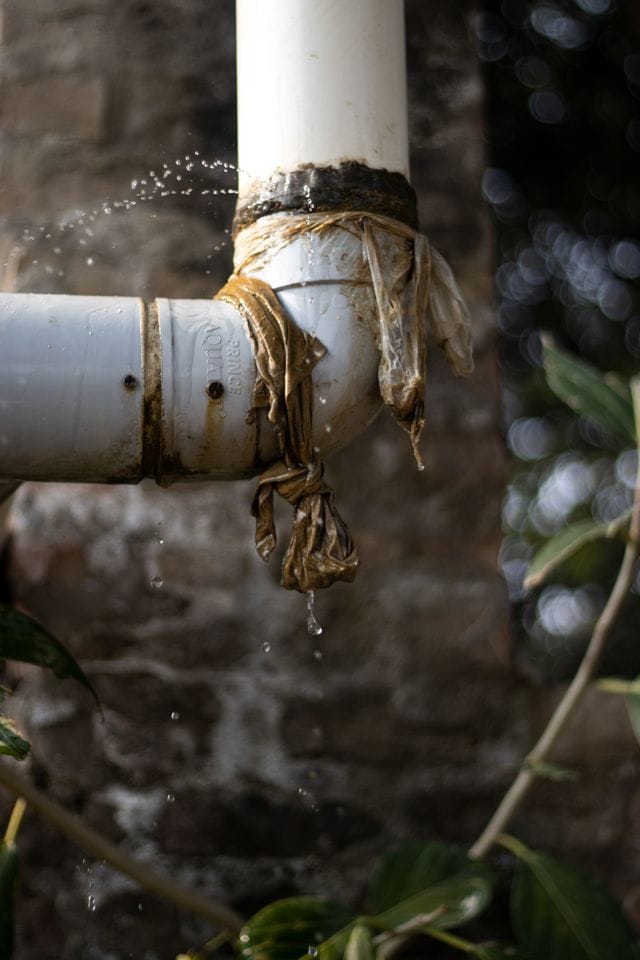
Waterproof cement-based coatings bond to prepared concrete block and create a more uniform interior surface. Installers remove loose paint, efflorescence, dust, and weak mortar because coatings cannot adhere reliably to deteriorated material. These products perform better when drainage has lowered water pressure behind the wall; otherwise, trapped moisture may push the coating loose or force seepage elsewhere. Breathable formulations can help masonry release moisture while the basement dries. Used correctly, a coating supports basement leak repair by reducing surface dampness rather than acting as the only defense against groundwater.
Exterior Waterproofing Stops Moisture Before It Reaches the Block
Exterior excavation gives contractors direct access to the soil-facing foundation wall. Workers can clean masonry, repoint damaged mortar, repair cracks, apply a waterproof membrane, and add drainage board before replacing the soil. Footing drains may also be repaired if sediment, roots, crushing, or poor slope has limited performance. Access conditions influence whether this method is practical because decks, utilities, patios, and structures can make excavation difficult. Where space allows, exterior waterproofing reduces water entering the block and protects interior repairs from constant pressure.
Sump Pump Capacity Matters During Heavy Rain
A perimeter drain only works if collected water can leave the basement fast enough. Sump pumps should be sized for expected inflow, discharge height, pipe length, and groundwater conditions rather than horsepower alone. Check valves keep discharged water from flowing back into the basin, while sealed lids keep debris out. Backup pumps or battery systems add protection when storms interrupt electrical service as groundwater rises. Discharge lines need to end far enough from the foundation that pumped water does not soak back beside the same wall.
Exterior Runoff Corrections Reduce Pressure on Block Walls
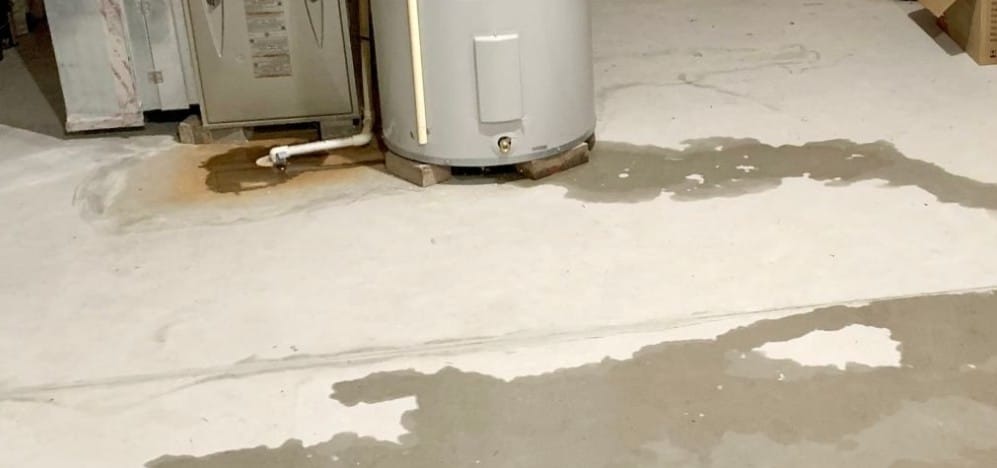
Roof runoff and poor grading can keep masonry wet even when interior drainage works correctly. Gutters that overflow, short downspouts, low landscaping, and pavement sloping toward the house deliver water to the foundation faster than soil can carry it away. Regrading, extending downspouts, improving window-well drainage, or adding surface drains can reduce saturation beside the wall. Maintenance matters because clogged gutters or settled soil can undo earlier improvements. Contractors who understand basement leak repair look beyond the basement surface and identify outside conditions that keep feeding moisture into the masonry.
Structural Movement Changes the Repair Plan
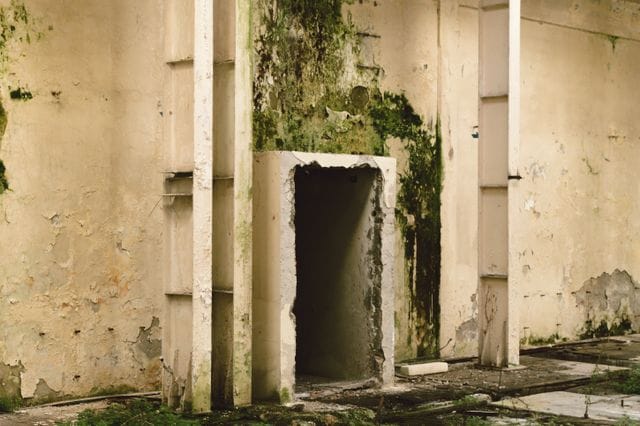
Bowed block walls, horizontal cracks, stair-step separations, and shifting mortar joints suggest that soil pressure or settlement may be affecting the foundation. Reinforcement methods can include steel braces, wall anchors, carbon fiber systems, grouted block cores, or other measures chosen for the direction and amount of movement. Waterproofing should be coordinated with that work so drainage reduces pressure contributing to the damage. Kennedy and Sons can inspect block-wall moisture, drainage, cracking, sump performance, and structural movement to determine which repairs fit the property. Their team can pair water-control measures with reinforcement, giving the basement a plan based on the wall’s actual condition instead of a surface-only fix.