

Trucks are built tough, but they’re not invincible. Whether you’re hauling equipment for work or towing your boat for the weekend, understanding common truck problems can save you thousands in repairs and prevent dangerous breakdowns on the road. The good news is that most issues are preventable with basic maintenance and smart driving habits.
Battery Failure and Electrical Issues
Dead batteries are one of the most common reasons truck owners call for roadside assistance. Extreme temperatures, corroded terminals, and old age can leave you stranded in a parking lot. The solution is surprisingly simple. Check your battery terminals every few months for white or greenish buildup, and clean them with a wire brush. Most batteries last three to five years, so replace yours proactively rather than waiting for it to fail during a cold morning start.
Electrical problems extend beyond the battery too. Faulty alternators, blown fuses, and wiring issues can cause everything from flickering lights to complete power loss. If you notice dimming headlights or your radio cutting out, get your charging system tested before you’re stuck on the side of the highway.
Transmission Troubles
Transmission problems are expensive and stressful. Slipping gears, rough shifting, and delayed engagement are warning signs you shouldn’t ignore. The best prevention is regular transmission fluid changes according to your manufacturer’s schedule. Many truck owners skip this maintenance because it’s not cheap, but it’s far less expensive than a transmission rebuild.
If you tow heavy loads regularly, consider installing a transmission cooler. The extra heat from hauling and towing degrades transmission fluid faster and can cause premature wear. A cooler helps maintain optimal temperatures and extends the life of your transmission significantly.
Fuel System Problems
Running out of fuel might seem obvious to avoid, but fuel system issues go deeper than an empty tank. Contaminated fuel, clogged filters, and failing fuel pumps can leave you stranded. Always use quality fuel from reputable stations, and replace your fuel filter at recommended intervals.
For truck owners who need extended range for work or recreation, aux fuel tanks for truck beds provide a practical solution. These auxiliary tanks increase your total fuel capacity without requiring frequent stops, which is especially valuable in rural areas where gas stations are sparse. Just make sure any auxiliary fuel system is properly installed and meets safety regulations to prevent leaks or contamination issues.
Brake System Failures
Your brakes are literally a matter of life and death. Squealing, grinding, or a spongy brake pedal are signs you need immediate attention. Many truck owners wait too long to replace brake pads, which damages the rotors and turns a simple pad replacement into a much more expensive repair.
Check your brake fluid level regularly and watch for leaks. If you haul heavy loads, your brakes work harder and wear faster. Consider upgrading to heavy-duty brake pads if you regularly tow trailers or carry maximum payload weights. The investment pays for itself in longer life and better stopping power when you need it most.
Tire Issues and Blowouts
Underinflated tires cause poor fuel economy, uneven wear, and dangerous blowouts. Check your tire pressure monthly, including your spare. Don’t forget that proper inflation pressure changes based on your load, so adjust accordingly when you’re hauling or towing.
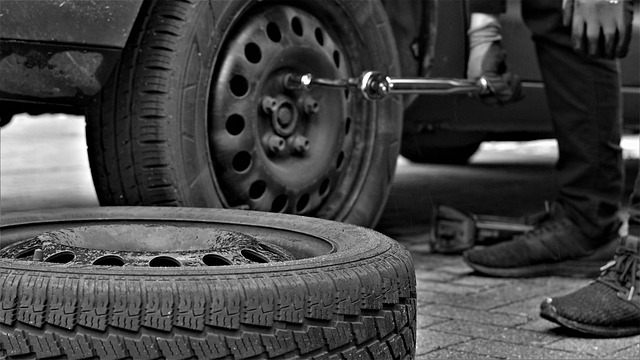
Rotate your tires every 5,000 to 7,000 miles to ensure even wear. Many people ignore their rear tires until it’s too late, but worn rear tires can cause loss of control in wet conditions. Replace tires when the tread depth reaches 4/32 of an inch, especially if you drive in rain or snow regularly.
Cooling System Problems
Overheating can destroy your engine in minutes. Low coolant levels, leaking hoses, and failing water pumps are common culprits. Check your coolant level when the engine is cold, and look for puddles under your truck that might indicate a leak.
Flush and replace your coolant according to your maintenance schedule. Old coolant loses its ability to prevent corrosion and regulate temperature effectively. If you notice your temperature gauge climbing higher than normal, pull over immediately to prevent catastrophic engine damage.
Suspension and Steering Wear
Rough rides, pulling to one side, and loose steering are signs your suspension needs attention. Ball joints, tie rods, and shocks wear out over time, especially if you drive on rough roads or carry heavy loads regularly. Have your alignment checked annually and after hitting major potholes or curbs.
Worn suspension components don’t just affect comfort, they make your truck harder to control and increase stopping distances. Pay attention to unusual noises when turning or going over bumps, as these often indicate problems before they become dangerous.
The Bottom Line
Most truck problems develop slowly and give you warning signs. Pay attention to unusual noises, smells, or changes in how your truck drives. Keep up with routine maintenance rather than waiting for things to break. A little prevention now saves you from expensive repairs and dangerous situations later. Your truck will reward your attention with years of reliable service.
