

Table of Contents
- Smart Irrigation Systems
- Drip Irrigation
- Drought-Resistant Turfgrass
- Rainwater Harvesting
- Soil Amendments
- Organic Lawn Management
- Artificial Turf
- Conclusion
With growing awareness of environmental sustainability, many homeowners now seek ways to keep their lawns green without wasting resources. Implementing sustainable watering practices can help conserve water and create a healthier, more resilient landscape. Exploring methods such as irrigation advancements, soil enhancement, and smart scheduling enables lawn owners to achieve lush results that are environmentally responsible and practical for daily living.
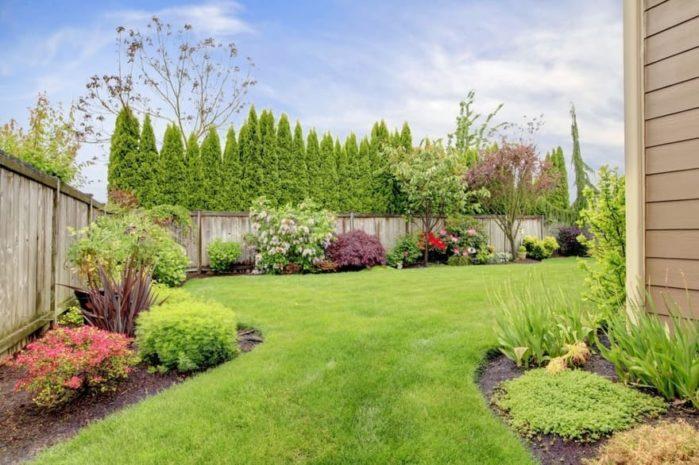
Modern irrigation techniques have evolved significantly, balancing technology, plant science, and conservation strategies. By using these techniques, homeowners can reduce water bills and help preserve water resources. The benefits extend beyond individual lawns, supporting local ecosystems and reducing runoff pollution in urban and suburban environments.
Eco-friendly lawn care methods are readily available and often straightforward to implement. Whether you are redesigning your landscaping or seeking small upgrades to your existing yard, these strategies can have a significant positive impact. Beyond saving water, environmentally conscious irrigation supports wildlife, enhances soil health, and improves the long-term appearance of your property.
Getting started with smart irrigation choices can also simplify your overall yard maintenance routine. Reliable, well-designed systems remove much of the guesswork from scheduling and offer precision that helps plants thrive with minimal waste.
Another important consideration is managing home irrigation in a way that aligns with both your lawn’s needs and your environmental values. Practical upgrades to watering routines can dramatically reduce unnecessary water use and support a healthier landscape.
Smart Irrigation Systems
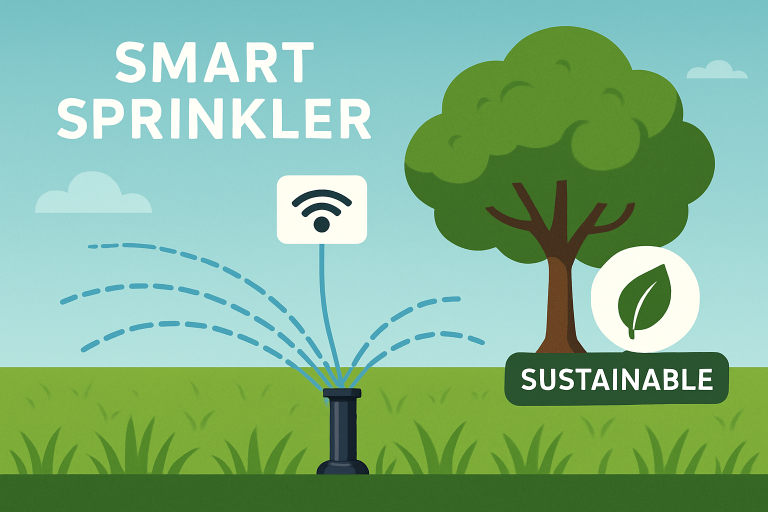
Modern smart irrigation systems use advanced sensors and real-time data to deliver precise amounts of water when and where it is needed. By connecting sprinklers to weather forecasts and soil moisture monitors, these systems adjust watering schedules as conditions change, reducing waste and promoting healthy root development. Many models can be managed through smartphone apps, offering insights and remote control for busy homeowners. Large publications like The New York Times have outlined the efficiency gains and convenience provided by smart sprinkler controllers, noting significant water savings and healthier lawns as consistent advantages.
Drip Irrigation
Drip irrigation is a targeted watering technique that delivers water directly to plant roots via a series of hoses and emitters. This minimizes evaporation and runoff, ensuring every drop serves a purpose. Customizable to any landscape, drip systems mean shrubs, flower beds, and lawns receive water where it is most effective. Studies have shown that drip irrigation can cut water use by up to 50 percent compared to traditional sprinklers. By automating these systems with timers and moisture sensors, homeowners can further reduce waste and maintain consistent soil moisture, which is crucial for plant vigor and water conservation. Additional information is available through resources such as EPA WaterSense for those exploring optimal irrigation technology.
Drought-Resistant Turfgrass
Selecting drought-tolerant grass species reduces overall water demand. These varieties develop deeper roots and remain greener for longer during dry spells, even with less frequent irrigation. For instance, warm-season grasses such as Bermuda and Zoysia are prized for their low water requirements and hardiness under stressful conditions. Many regional turf specialists and academic publications, such as those from university extension offices, provide guidance on choosing the best varieties for particular climates. Integrating drought-resistant turf reduces workloads, water usage, and utility bills, making it a compelling option for sustainable landscaping.
Rainwater Harvesting
Rainwater harvesting systems collect and store rainfall for later use in lawn and garden irrigation. By capturing rooftop runoff in barrels or underground tanks, families reduce reliance on municipal water supplies while maintaining healthy landscapes even during dry spells. Moderate rainfall can provide hundreds of gallons of water for irrigation, lowering costs and reducing the burden on public infrastructure. Plus, rainwater is naturally soft and free from treatment chemicals, making it ideal for plants and soil. The EPA provides extensive guidance on the installation and environmental impact of harvesting systems.
Soil Amendments
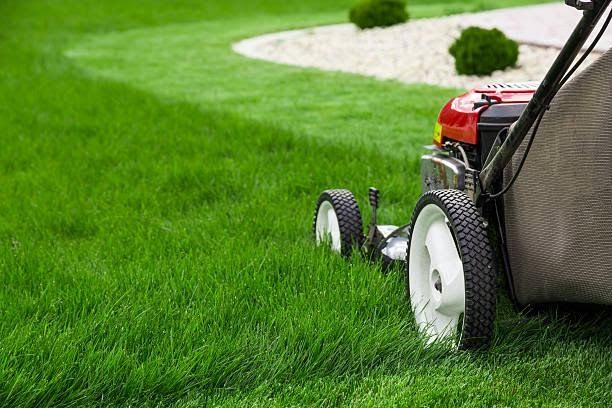
Amending lawn soil with organic materials, such as compost, aged manure, or biochar, boosts the ground’s ability to retain moisture. Rich, well-structured soil acts like a sponge, holding water near the roots and reducing the need for watering. Even small amounts of added compost can have a big effect on water retention and soil fertility. This approach ensures plants are healthier, more resilient, and less dependent on supplemental irrigation, while also promoting beneficial microbial activity and mitigating compaction. Improving soil health is one of the most affordable and impactful ways to enhance eco-friendly irrigation efficiency.
Organic Lawn Management
Organic lawn management avoids synthetic chemicals and incorporates holistic gardening principles. Natural fertilizers, compost, and mulching foster a living, healthy soil ecosystem. Organic management encourages strong root systems and reduces pollutants entering waterways from runoff. Choosing native plant varieties further supports environmental health, as these species typically require less water and are adapted to local weather patterns. By shifting to natural lawn care, homeowners nurture their properties while minimizing their ecological footprint and fostering long-term lawn vitality.
Artificial Turf
In areas with persistent drought or strict water restrictions, artificial turf provides a waterless alternative to traditional grass. Modern synthetic turfs look vibrant all year, require no irrigation, and drastically reduce maintenance. While initial installation can be an investment, savings on water, fuel, and fertilizers over time make artificial turf attractive for many. Additionally, artificial grass eliminates the need for pesticides, herbicides, and mowing, thereby supporting a cleaner, more resource-efficient environment.
Conclusion
Eco-friendly irrigation solutions for modern lawns bring together technology, innovation, and time-tested practices to create beautiful, sustainable outdoor spaces. Integrating smart watering systems, using efficient home irrigation, adopting drought-resistant plantings, and improving soil health all contribute to more resilient landscapes. By embracing these methods, homeowners can enjoy lush, green lawns while supporting the environment for generations to come.
