

Owning a home swimming pool in Idaho might sound like the ultimate backyard upgrade — especially during the hot summer months when everyone’s looking for a way to cool off. However, there’s more to pool ownership than crystal-clear water and poolside relaxation. Between maintenance, utilities, insurance, and unexpected repairs, the hidden costs can surprise even the most financially prepared homeowners.
If you’re considering adding a pool or have recently bought a home that already has one, understanding these expenses upfront can help you create a realistic plan that protects your investment — and your wallet.

The True Cost Beyond Installation
Most Idaho homeowners start their pool journey focused on the upfront price. In-ground pools can range from $40,000 to $80,000, depending on size, materials, and features like waterfalls or built-in lighting. But what many people don’t realize is that installation is only a fraction of the long-term expense.
Here’s what typically follows after the ribbon-cutting plunge:
- Permits and inspections. Local building codes often require permits and safety inspections that can add anywhere from $500 to several thousand dollars to your budget.
- Landscaping and hardscaping. Adding a deck, fencing, or patio area can easily tack on another $10,000 or more, depending on materials and layout.
- Utility setup. Installing or extending water and electric lines may require professional services, especially if your home wasn’t originally designed to support a pool.

Ongoing Maintenance and Water Care
Once your pool is ready, it enters its most expensive phase — maintenance. Proper care keeps your investment safe and enjoyable, but it also comes with recurring costs that can be easy to overlook.
- Chemical treatments and testing kits typically run about $400–$600 per year. Even if you buy in bulk, Idaho’s variable weather can change chemical needs from month to month.
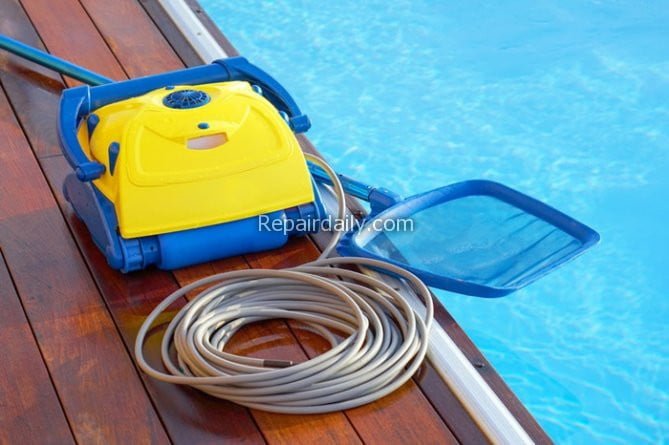
- Cleaning services or equipment are another major factor. A quality robotic pool vacuum may cost around $1,200 upfront, while weekly cleaning services can add $100 or more per visit during the swimming season.
- Filter and pump upkeep also adds up. Replacing filters, seals, or energy-efficient pumps can cost hundreds annually.
These costs may vary, but planning for at least $1,000–$2,000 in yearly maintenance is a safe baseline.
Energy Costs: The Silent Budget Drainer
Idaho’s cool springs and early autumns make year-round swimming a challenge without a pool heater. Gas or electric heating systems can dramatically increase your utility bills. Depending on how warm you like your water, heating costs might add anywhere from $100 to $300 per month during cooler periods.
To offset these costs, consider solar pool covers or energy-efficient heaters. While the upfront cost ($2,000–$4,000) might seem steep, these options reduce long-term energy consumption and keep your pool usable for more months out of the year.
Increased Home Insurance and Property Taxes
Adding a swimming pool can also raise your home insurance premium. Pools are considered an “attractive nuisance,” meaning they can increase liability risk. Depending on your provider, your policy could climb by 5–10% or more. You’ll also need to meet certain safety requirements, such as fencing, locking gates, or pool alarms.
Additionally, because a pool enhances property value, your property taxes could rise slightly. It’s best to contact your county assessor for an estimate before construction, so you aren’t surprised at tax time.
Seasonal Costs Unique to Idaho
Idaho’s climate brings a mix of blistering summers and freezing winters — and both seasons affect your pool expenses. Winterization is essential to protect pipes, pumps, and liners from freeze damage. Professional closing services usually cost between $300 and $500, including draining, chemical balancing, and covering.
In the spring, pool reopening services (cleaning, refilling, and balancing water chemistry) can cost about $250–$400. If ice or snow damages your liner or piping system during the off-season, those repairs can quickly escalate into thousands of dollars.
Hidden Repair and Replacement Costs
Even with careful upkeep, pools naturally wear down over time. Small cracks in concrete, vinyl tears, or leaks around seals may seem minor, but can lead to larger structural problems if ignored.
- Pump or motor replacement: $1,000–$2,500
- Resurfacing a plaster pool: $5,000–$10,000 every 10–15 years
- Leak detection and repair: $500–$1,500, depending on damage
These unexpected repairs underline the importance of setting aside a contingency fund from the start — ideally 10–15% of your total pool investment.
Smart Ways to Plan and Save
The best strategy for managing the long-term expenses of pool ownership is proactive planning.
- Create a maintenance schedule. Regular testing and cleaning prevent costly breakdowns.
- Invest in automation. Smart pool systems can monitor chemical levels and energy use, which helps reduce waste and human error.
- Shop off-season. Pool accessories, heaters, and chemicals often go on sale in late fall and winter.
- Build an annual pool budget. Include fixed costs (insurance, chemicals) and flexible ones (energy, repairs) to track trends and anticipate future spending.
If you decide to explore professional maintenance experts for swimming pools in Nampa, Idaho, ask about bundled seasonal packages or energy-efficient upgrades that can pay off over time.
A pool should be a source of joy, not stress. With clear expectations and the right maintenance strategy, you can ensure your backyard investment remains an oasis for years to come.
