

Key Takeaways
- Artificial grass provides a sustainable, low-maintenance alternative to traditional lawns.
- State-of-the-art turf mimics natural grass in look and feel for unmatched realism.
- Eco-friendly practices and recycled materials make artificial grass a sustainable and environmentally friendly alternative.
- The flexibility of synthetic turf supports a wide range of landscaping applications, from play areas to patios.
Across neighborhoods in the United States, homeowners are reimagining what an ideal lawn can be—an outdoor space that delivers beauty and utility without burdensome upkeep or excessive resource consumption. The advent of artificial grass is at the heart of this transformation, driven by both innovative turf technology and a growing need for sustainable landscaping. As more people turn away from traditional grass, artificial lawns are offering vibrant, enduring green spaces that thrive in all climates.
This shift toward synthetic solutions isn’t merely about aesthetics. Environmentally conscious homeowners value solutions that conserve water, reduce chemical use, and require little effort throughout the year. Today’s artificial turf brings all the visual appeal of natural lawns—but with remarkable improvements in durability and eco-friendliness, making it an increasingly popular choice for modern family yards.
Because these materials are carefully engineered to simulate the color and texture of real grass, homeowners no longer have to choose between a perfect yard and practicality. They can achieve both while also minimizing their impact on the environment and their schedule. For those with pets, children, or active outdoor lifestyles, artificial grass means worry-free play and effortless beauty, season after season.
Low Maintenance and Water Conservation
One of the main advantages of installing artificial grass is the dramatic reduction in yard maintenance. With synthetic lawns, forget about weekly mowing, regular fertilizing, or constant watering—chores that eat up both time and money. According to the Environmental Protection Agency, landscape irrigation accounts for nearly one-third of all residential water use, totaling approximately 9 billion gallons per day. By switching to synthetic lawn, homeowners can conserve thousands of gallons of water each year, thereby helping to mitigate drought conditions and lower their monthly utility bills.
Realistic Textures and Colors
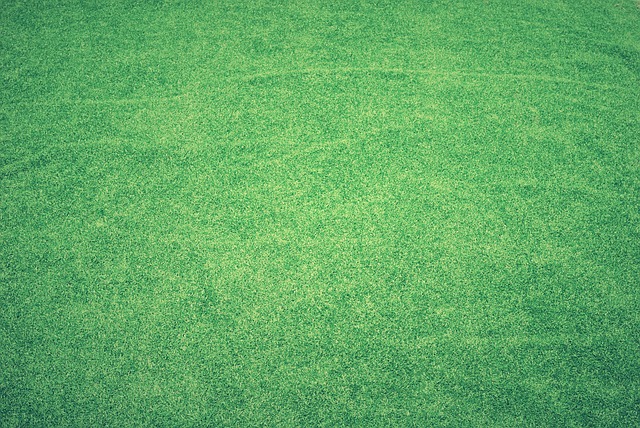
Modern advancements in manufacturing technology have completely changed the perception of artificial grass. Today’s high-quality turf incorporates multi-tonal fibers with a variety of green hues and subtle brown thatch, simulating the appearance of authentic grass while blending convincingly with other landscape elements. As reported by HGTV, advances in fiber softness, UV-resistant coloring, and natural fiber height create realistic, welcoming lawns that remain lush and green throughout the year. This innovation means artificial lawns are suitable for even the most style-conscious homeowners.
Eco-Friendly Materials and Technologies
The commitment to sustainability doesn’t end with water conservation. The latest artificial turf products are produced from recycled and non-toxic materials. Manufacturers are increasingly focusing on developing turf fibers and backing systems that are safe for children and pets, utilizing lead-free colorants and incorporating antimicrobial technology. Integrated drainage and eco-friendly infill systems also facilitate easy cleaning and maintenance, while reducing runoff pollution compared to natural grass lawns, which often require fertilizers or pesticides. These green technologies position artificial grass as a responsible landscaping solution for the future.
Versatile Applications
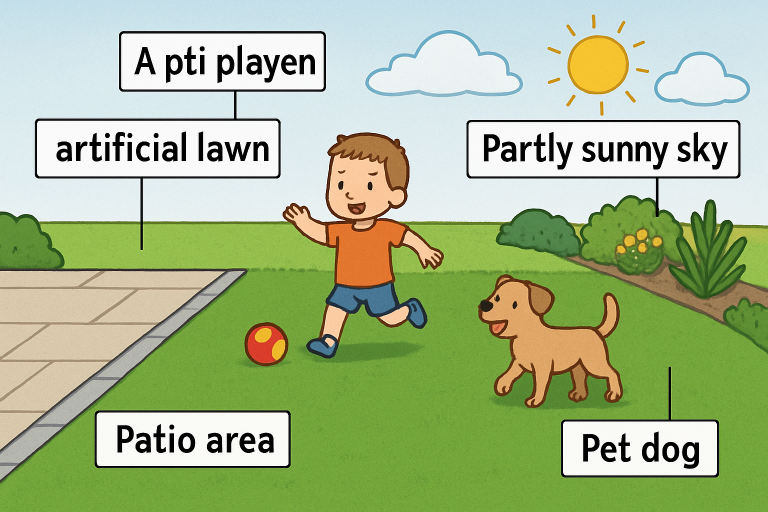
Artificial grass has evolved far beyond its traditional uses and can now be tailored for a variety of residential applications. Homeowners are using turf to design themed backyard retreats, pet-friendly zones, play areas for children, and even sophisticated modern courtyards that combine turf with decorative stone or pavers. The installation flexibility allows artificial grass to be shaped into pathways, cover shaded spots where real grass refuses to thrive, or act as a durable underlay for outdoor kitchens and pool surrounds. These applications bring unmatched versatility and creativity to residential landscaping, turning any outdoor area into a functional extension of the home.
Installation Considerations
Achieving a polished, seamless look with artificial grass depends critically on expert installation. Proper site preparation, including the removal of old turf and leveling of the base, is essential for stability and drainage. Skilled installers ensure every seam is invisible, edges are neatly contained, and the right infill material is chosen to support grass blades and create a natural springiness underfoot. In regions prone to heavy rain or temperature extremes, advanced drainage systems and climate-adapted turf types minimize pooling and wear. Investing in professional installation guarantees a realistic, enduring landscape with minimal risk of surface imperfections or future maintenance issues.
Final Thoughts
The residential landscape is being transformed by artificial grass, a practical solution that blends year-round aesthetics, sustainability, and convenience. As demand for eco-friendly, low-maintenance lawn alternatives grows, more homeowners are enjoying the lasting beauty and versatility of synthetic turf. Advances in texture and performance, coupled with environmental benefits, make artificial grass an ideal choice for transforming the way we experience and enjoy our outdoor living spaces.
