
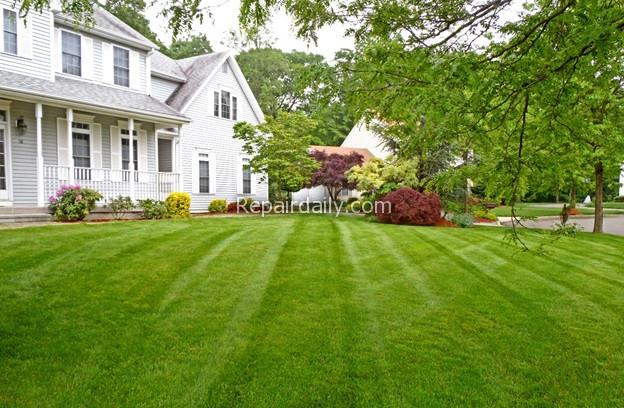

Maintaining a healthy, beautiful home landscape hinges on more than just turning on the sprinklers each day. It takes an efficiently designed and well-maintained irrigation system to ensure your lawn and plants get the water they need—without waste or waterlogging. Homeowners in areas like Athens, Georgia, frequently encounter issues that can lead to brown spots, stressed plants, and higher water bills. Understanding these challenges and taking steps to prevent them makes it easier to keep your landscape looking its best. For local support in diagnosing and resolving system issues, contact trusted Athens irrigation repair experts.
The most common irrigation problems may seem simple at first glance, but when left unaddressed, they can create long-term setbacks for your garden or lawn. From uneven watering caused by poor placement to seasonal changes, each issue requires attention and proactive management. Luckily, many of these problems can be avoided with proper care, preventive action, and smart planning.
Whether you are new to landscaping or want to brush up on best practices, understanding what can go wrong with your irrigation system and how to correct it will help protect your investment. Consistent system inspection, promptly handling repairs, and considering system upgrades can save you money and headaches in the long run.
For those looking to start from scratch or overhaul aging systems, consulting local irrigation installation professionals can be a worthwhile investment in lasting landscape health.
Overwatering and Underwatering
Finding the right balance between too much and too little water is at the heart of garden success. Overwatering suffocates plant roots, leads to diseases such as root rot, and can promote the spread of mold and fungus. On the flip side, underwatering leaves plants stressed, prone to wilting, and unable to take up the nutrients necessary for growth.
- Regularly check soil moisture to guide your scheduling—this can be as simple as sticking a finger a few inches into the soil to test dampness.
- Adapt your irrigation schedules to the weather; rainy or overcast days require less frequent watering, whereas hot or windy days may require more.
- Consider investing in soil moisture sensors that provide automatic feedback to irrigation controllers, greatly reducing guesswork. According to the EPA WaterSense program, smart controllers can save up to 15% of outdoor water use.
Incorrect Sprinkler Placement
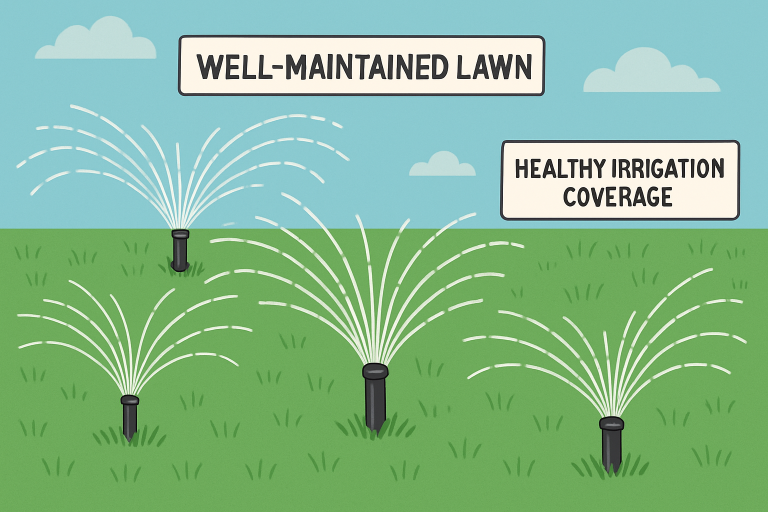
One of the leading causes of dry patches or oversaturated areas in a yard is poor sprinkler design and placement. Sprinklers need to be positioned so that their spray overlaps, ensuring consistent coverage—this is often called “head-to-head” coverage. When heads are too close or too far apart, water distribution becomes patchy, leading to inconsistent growth and wasted resources. Adjust the heads or consult an irrigation specialist to perform a coverage audit if you notice uneven watering patterns.
Clogged or Damaged Sprinkler Heads
Debris, dirt, and even encroaching plant roots can clog sprinkler heads, diminishing their ability to deliver water effectively. Damaged heads might cause leaks, misting, or spraying in unintended directions. It’s important to inspect your system several times a season—particularly after storms or lawn mowing—by running each zone and checking for plugged nozzles, broken heads, or low output. Replace any damaged heads immediately and clean clogged nozzles for maximum performance and water savings.
https://repairdaily.com/wp-content/uploads/2023/03/home-landscape.jpg
Inconsistent Water Pressure
Sprinkler systems require stable water pressure to function correctly. Too little pressure results in poor coverage, while excessive pressure can cause misting and water waste. Regularly test system pressure and consider adding a pressure regulator if extreme readings are present. Leaks in the piping can sometimes cause inconsistent pressure, so investigate for any pooling water or soggy patches in your yard. Fixing leaks immediately prevents long-term landscape damage and saves on utility costs. The Family Handyman guide to irrigation system troubleshooting is a great starting point for identifying home system issues.
Ignoring Seasonal Adjustments
Plants’ water requirements shift with the seasons, so it’s crucial to adjust your irrigation routine as conditions change. Failing to reduce watering in spring and fall can lead to overwatering, while not increasing it during summer heat waves can cause lifeless, stressed plants. Many modern sprinkler controllers have seasonal adjustment settings—review them each month, taking rainfall and yard conditions into account. Being responsive to seasonal changes protects both your plants and your wallet.
Lack of Regular Maintenance
Routine system checks are essential to prevent small issues from growing into big, expensive problems. Schedule seasonal inspections to look for leaks, ensure proper timer settings, and verify zone function. Keep an eye out for plant overgrowth or shifting soil that might block or break sprinkler heads. Timely repairs—much easier when caught early—are crucial for system longevity.
Using Inefficient Irrigation Methods
Older systems often rely on methods that waste water, such as basic oscillating sprinklers and uncalibrated spray patterns. Upgrading to modern solutions like drip irrigation—which delivers water directly to the root zone—minimizes evaporative loss and reduces runoff. Another option is using smart irrigation controllers that automatically adjust watering based on real-time weather data. These upgrades, though initially an investment, can pay off substantially in water savings and improved plant health.
Conclusion
Homeowners seeking to avoid common irrigation mistakes should focus on education, consistent care, and proactive system upgrades. Regular system maintenance, smart installation practices, and attention to seasonal needs create conditions for water-wise, thriving landscapes. By addressing these frequent challenges, you’ll conserve resources, enjoy lower utility bills, and maintain a yard that’s the envy of the neighborhood year-round.
