

Fresh trouble in a home often begins with a sudden hiss behind a wall or a stream of water that refuses to slow down. A pipe burst forces immediate decisions, and homeowners usually race to search for a plumber near me or an emergency plumber near me before the damage grows. This overview explains what trained professionals look for in the first minutes after arrival, giving readers a deeper understanding of the steps that happen behind the scenes.
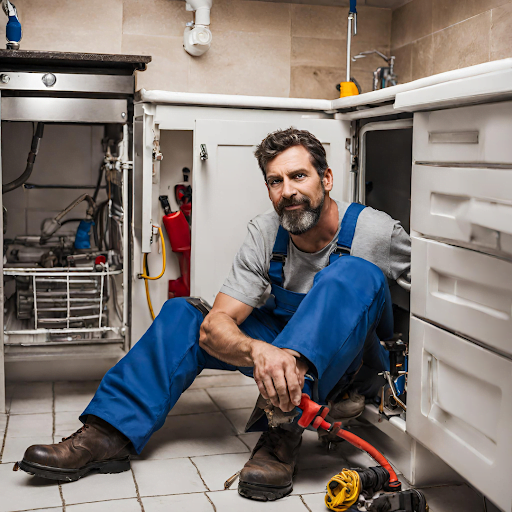
Locating the Pipe Section Where Pressure Loss Began
The first task is identifying exactly where pressure dropped inside the line. A skilled technician follows temperature shifts, pipe vibrations, and water staining to pinpoint the starting point of the break. Many local plumbers rely on handheld gauges and thermal tools to isolate the damaged stretch before opening any surface. Once identified, the pipe’s condition is mapped out to determine how far the water traveled. The worker evaluates whether the break is isolated or part of a broader issue that may require more advanced plumbing service from nearby teams.
Checking Nearby Fittings for Signs of Stress or Separation
Fittings often suffer strain after a pipe gives out, and professionals study each joint for loosened threads or hairline gaps. They look for metal discoloration, small beads of moisture, or cracked sealing rings that might fail shortly after the first repair. Another layer of assessment includes testing movement in the fittings. If a connection shifts under light pressure, technicians may recommend strengthening it to prevent a second failure—something many homeowners never consider when searching for affordable plumbers near me.
Inspecting Surrounding Walls for Hidden Water Migration
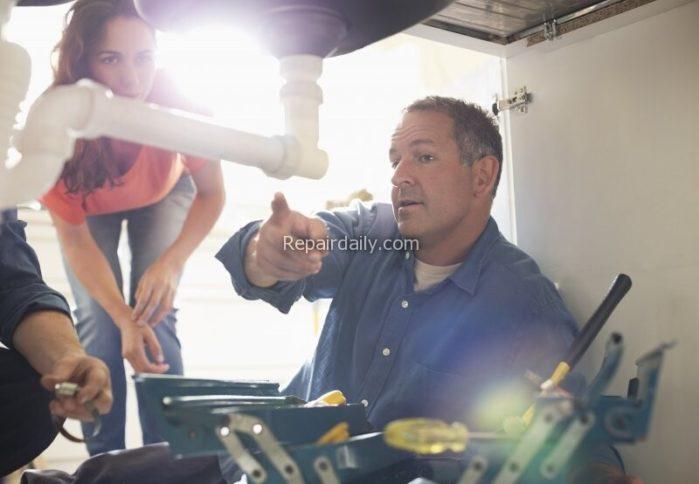
Burst pipes rarely confine water to a single spot. Walls, insulation, and framing tend to wick moisture quickly, so teams examine for darkened surfaces, softened drywall, or slight bulges that signal infiltration. Even minor signs matter because long-term dampness invites mold and structural weakness. Beyond the visible, professionals tap along wall cavities to hear density changes that hint at pooling. These early checks help emergency plumbers determine whether cleanup teams or additional drying equipment should be brought in by plumbing companies near me.
Assessing Valve Function to Confirm Full Shutoff Control
A main shutoff valve that only partially closes can keep leaking water moving toward the damaged area. The technician tests valve tension, rotation smoothness, and internal sealing to confirm complete stoppage. Clear control over the system allows repairs to start safely. If a valve shows stiffness or mineral buildup, the worker may cycle it several times to release debris. Homeowners looking for a local plumber near me rarely expect how much influence a small valve has over the outcome of a major leak.
Reviewing Pipe Material to Identify Age-Related Weaknesses
The material of the pipe—copper, galvanized steel, PVC, or PEX—reveals insight into why the failure occurred. Older metals may corrode from the inside out, creating weak spots that burst under changing pressure. PVC can crack when exposed to temperature swings or UV light.
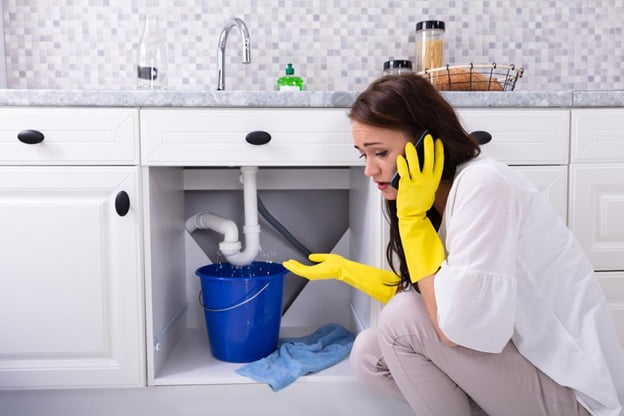
After confirming the pipe type, the professional evaluates nearby sections for similar deterioration. This helps decide whether the repair should stay localized or be expanded, a service many homeowners request from plumbing contractors near me or cheap plumbers near me.
Testing Water Pressure to Rule Out System-Wide Issues
Once the line is secured, pressure readings reveal whether the wider plumbing system contributed to the break. High pressure can strain joints, while low pressure may indicate hidden blockages. The technician watches the gauge for fluctuations that point to deeper concerns.
A stable pressure reading reassures the homeowner, but irregular behavior suggests the need for additional maintenance commonly handled by 24 hour plumber teams who respond to emergency calls in the area.
Examining Insulation Around Exposed Lines for Moisture
Insulation around exposed pipes can trap dampness, causing slow, unseen deterioration. During inspections, plumbers check for spongy textures, rusty odors, or compacted sections that signal saturation. Keeping insulation dry is essential for preventing future bursts, especially in cold seasons.
If moisture is present, removal and replacement may be recommended. Many households request this follow-up from plumbing services near me to maintain long-term safety.
Evaluating Fixture Connections That May Worsen the Leak
Fixture supply lines and joints are inspected to ensure they didn’t contribute to the failure. Loose nuts, aging hoses, or warped connectors can intensify damage when pressure surges. Professionals study each component to determine whether adjustments or replacements are needed.
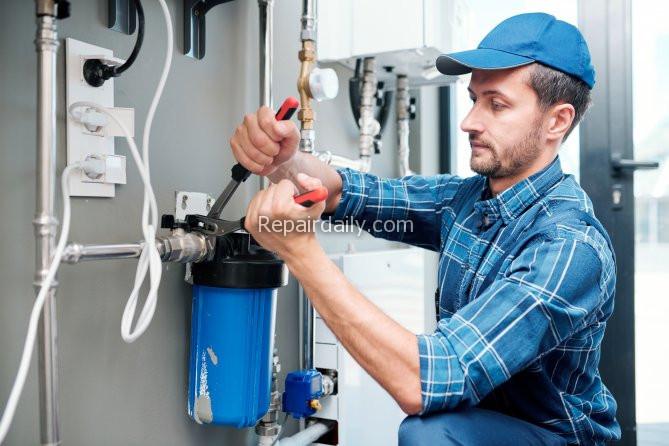
By confirming stability around sinks, toilets, and appliances, plumbers help prevent related failures after the main pipe is repaired. Homeowners often turn to the best plumbers near me for these preventive inspections. For situations requiring immediate help and careful diagnostics, many residents rely on Mr Rooter for dependable emergency plumbing support.
