

If your circuit breaker keeps tripping, it’s not just an inconvenience — it’s your home’s way of telling you something isn’t right.
Circuit breakers are designed to protect your home from electrical hazards. When they trip, they prevent overheating, fires, or damage to your electrical system.
In this guide, we’ll explain why your circuit breaker keeps tripping—and what each cause means for your home.
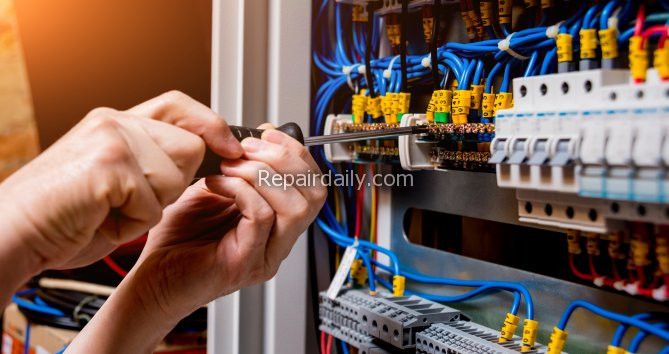
What Does a Circuit Breaker Actually Do?
Your circuit breaker monitors the flow of electricity through your home’s circuits.
When it detects:
- Too much current
- A short circuit
- A ground fault.
…it automatically shuts off power to prevent damage or danger.
1. Overloaded Circuit
The problem: You’re drawing more power than the circuit can handle.
Common causes:
- Too many appliances on one outlet
- High-power devices (heaters, microwaves, etc.)
Signs:
- Breaker trips when multiple devices are running
- Power cuts out intermittently.
The fix:
- Unplug some devices
- Spread appliances across different circuits.
2. Short Circuit
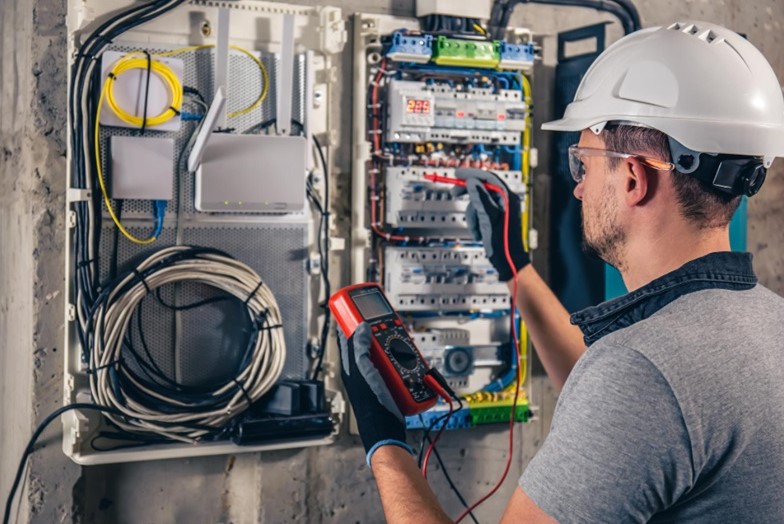
The problem: A hot wire touches a neutral wire, causing a surge of electricity.
Signs:
- Breaker trips instantly
- Burning smell or scorch marks.
The fix: This is a serious issue that requires immediate professional attention.
3. Ground Fault
The problem: Electricity escapes its intended path and flows to the ground.
Common in:
- Bathrooms
- Kitchens
- Outdoor outlets.
Signs:
- Breaker trips when using specific outlets
- Moisture exposure.
The fix:
- Avoid using affected outlets
- Call an electrician to inspect and repair.
4. Faulty Appliances
The problem: An appliance may be drawing too much power or has internal wiring issues.
Signs:
- The breaker trips when a specific device is used
The fix:
- Unplug the appliance
- Test other devices
- Replace or repair the faulty item.
5. Aging or Faulty Circuit Breaker
The problem: Breakers wear out over time and may trip more easily.
Signs:
- Frequent tripping without a clear cause
- The breaker won’t reset.
The fix:
A professional can inspect your panel and replace faulty breakers if needed.
For safe and reliable repairs, consider contacting Service Professionals Electrical Services for expert diagnosis and solutions.
6. Wiring Issues
The problem: Damaged, outdated, or improperly installed wiring can cause repeated tripping.
Signs:
- Flickering lights
- Burning smells
- Warm outlets
The fix:
This is not a DIY situation — faulty wiring can be dangerous and should be handled by a licensed electrician.
7. Grounded Metal Components
The problem: Wires touching metal parts in your system can cause faults.
Signs:
- Sudden, unexplained breaker trips
- Electrical shocks when touching appliances.
The fix:
Immediate inspection is required to prevent serious hazards.
When Is a Tripping Breaker Dangerous?
A circuit breaker that trips occasionally isn’t unusual — but certain warning signs should never be ignored. In some cases, a tripping breaker is your home’s early warning system for serious electrical hazards, including the risk of fire.
Here’s when you should stop troubleshooting and call a professional immediately:
Burning Smells
If you notice a burning or “electrical” smell — especially near outlets, your breaker panel, or appliances — it’s a major red flag.
This could indicate:
- Overheated wiring
- Melting insulation
- Loose or damaged electrical connections.
These issues can escalate quickly and pose a real fire risk. If you detect a burning smell, turn off power to the affected area (if safe to do so) and seek professional help right away.
Smoke or Sparks
Visible smoke or sparks from outlets, switches, or your breaker panel is an emergency situation.
Possible causes include:
- Short circuits
- Faulty wiring
- Damaged electrical components.
Do not attempt to reset the breaker or continue using the circuit. Shut off power and contact an electrician immediately; this is one of the clearest signs of a serious electrical fault.
Breaker Won’t Reset
If your breaker trips and refuses to stay in the “on” position after resetting, it’s telling you there’s an active fault that hasn’t been resolved.
This could be due to:
- A short circuit
- A ground fault
- A damaged breaker.
Repeatedly forcing a breaker to reset without fixing the root issue can worsen the problem and increase safety risks.
Repeated Tripping with No Clear Cause
If your breaker keeps tripping but you can’t pinpoint a specific appliance or action causing it, there may be a deeper issue within your electrical system.
This could involve:
- Hidden wiring problems
- An overloaded or outdated circuit
- A failing breaker.
Intermittent electrical faults are particularly tricky—and potentially dangerous—because they can worsen over time without obvious warning.
Warm or Buzzing Electrical Panel
If your breaker panel feels warm to the touch or you hear a buzzing or humming sound, it may indicate excessive electrical load or faulty internal components.
This is not normal and should be inspected promptly.
How to Prevent Circuit Breaker Issues
While some electrical problems are unavoidable, many circuit breaker issues can be prevented with a few smart habits and regular maintenance.
Here’s how to reduce the risk of tripping breakers and keep your electrical system running safely:
- Avoid overloading outlets
- Use surge protectors
- Upgrade outdated electrical panels
- Schedule regular electrical inspections
- Replace old or damaged appliances.
Think of your electrical system like a highway — if too much traffic is forced onto too few lanes, problems are inevitable. Expanding capacity and managing load keeps everything running smoothly.
FAQs
Is it normal for a breaker to trip occasionally?
Yes, especially if a circuit is overloaded. Frequent tripping is not normal.
Can I just reset the breaker every time?
You can, but repeated resets without fixing the cause can be dangerous.
How do I know if my breaker is bad?
If it trips frequently without load issues or won’t reset, it may need replacing.
Should I upgrade my electrical panel?
If your home is older or struggling with modern electrical demands, an upgrade may be necessary.
Final Thoughts
If your AC isn’t cooling, don’t panic. Many issues are simple to fix, but the key is identifying the cause early.
By staying proactive and addressing small problems before they escalate, you can keep your home cool, comfortable, and energy-efficient all summer long.
