

Fall has a way of sneaking up on you. One weekend you’re working comfortably with the garage door open, and the next thing you know there’s frost on the windshield and your fingers are too stiff to hold a wrench. If you own a metal workshop, the weeks before that first hard freeze are your window to get the space ready for winter. A few afternoons of prep now can save you from cold, damp, frustrating weekends in January.
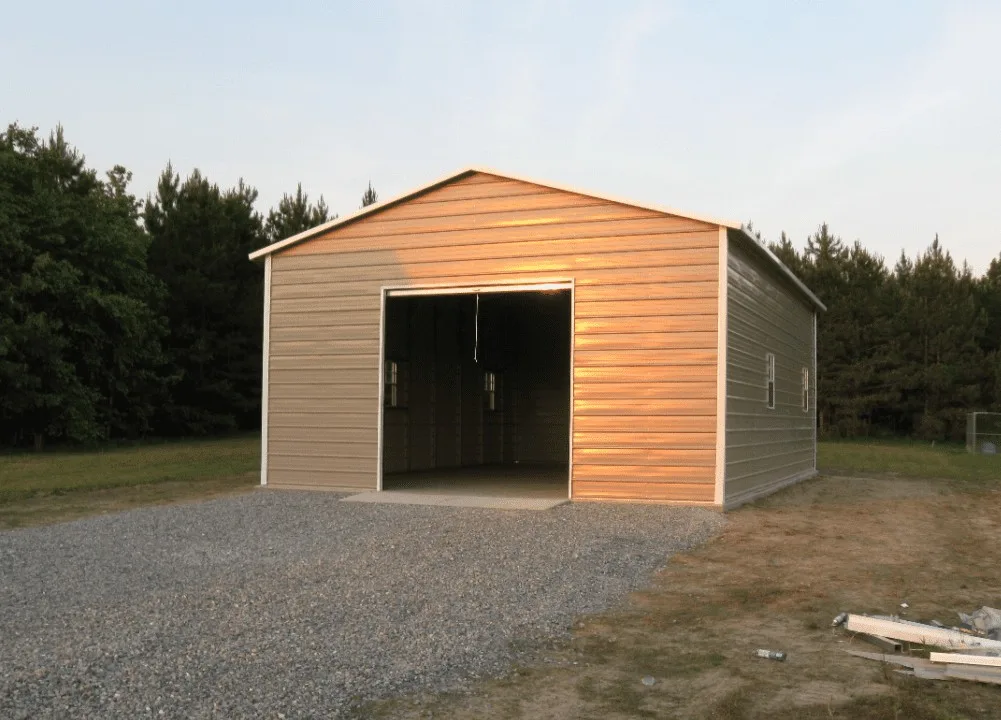
Steel buildings are tough, and that’s part of why people love them. They shrug off snow loads, they don’t rot, and rodents have a much harder time getting in than they do with a wooden shed. But steel has its own quirks in cold weather, mainly condensation and temperature swings, and those quirks deserve some attention before the cold settles in for good.
Here are seven things worth doing before the temperature drops.
1. Deal With Condensation Before It Becomes a Problem
Condensation is the number one cold-weather complaint from metal building owners, and it makes sense once you think about what’s happening. Warm, moist air inside the building meets cold steel panels, and the moisture in that air turns to water right on the surface of the metal. Left alone, that moisture drips onto tools, workbenches, and floors. Over a whole winter, it can rust hand tools, stain concrete, and leave everything in the shop feeling damp.
The fix starts with airflow. Check that vents are open and unobstructed. If you heat the workshop, avoid venting dryers or other moisture-producing appliances directly into the space. And if condensation has been an ongoing issue, this is the time to look at adding a radiant barrier or insulation to the roof and walls. Insulation does double duty in winter: it slows heat loss and it keeps warm interior air from touching the cold metal panels in the first place, which is what stops the dripping.
2. Inspect and Seal Every Opening
Walk the entire building on a windy day and you’ll learn a lot. Air leaks around roll-up doors, walk-in doors, and window frames are easy to miss in summer and impossible to ignore in January. Cold air pouring through a gap at the bottom of a walk-in door makes the whole shop miserable.
Check the weatherstripping on all doors and replace anything that’s cracked, flattened, or missing. Look at the rubber seals on the bottom edges of overhead doors, since those take a beating from sun and temperature swings year after year. A tube of quality exterior caulk and an afternoon of work can seal up the small gaps around windows and trim. For bigger gaps, door sweeps and brush seals are inexpensive and effective.
3. Give the Roof and Gutters a Thorough Once-Over
Before the first snowfall, get up on a ladder and inspect the roof. Look for loose or shifted panels, missing fasteners, and any spots where the sealant has cracked or pulled away. Small roof issues are cheap to fix in October and expensive to fix in February, especially if water gets into the building and freezes.
If your building has gutters, clear out the leaves and debris. Clogged gutters in winter cause ice dams and overflow, which dumps water right against the base of your walls. Even without gutters, check the ground around the perimeter. Make sure the soil grades away from the foundation so melting snow runs off instead of pooling against the slab.
4. Protect Your Tools From Rust
Even a well-sealed building will have some humidity swings through the winter, and tools notice. Anything with a bare steel surface is a candidate for surface rust by spring if you ignore it.
Before it gets cold, wipe down hand tools and apply a light coat of machine oil or a rust-preventative product. Store power tools off the floor, ideally on shelves or in cabinets, since concrete floors stay cold and damp all winter. Silica gel desiccants in tool drawers and cabinets are cheap insurance. If you have a cabinet or chest for your best tools, toss a couple of moisture absorber tubs inside and swap them out mid-winter. It’s a five dollar habit that saves hundreds in replacement tools.
5. Service Your Heating Setup Early
If you heat the workshop, whether that’s a wood stove, a kerosene heater, a propane unit, or a mini-split, test it in the fall rather than on the first freezing night. Wood stoves need chimney checks and creosote removal. Propane and kerosene heaters need clean fuel, fresh filters, and a careful look at hoses and connections. Mini-splits need clean filters and a quick check that the heat mode actually works.
One safety note worth repeating: never run a combustion heater in a closed shop without ventilation and a working carbon monoxide detector. Workshops are exactly the kind of space where people cut corners on this, and it’s the one corner you can’t afford to cut.
6. Check Anchors, Fasteners, and the Foundation
Winter is hard on buildings in ways that aren’t always visible. Freeze and thaw cycles move soil, and soil movement can loosen anchors or shift a slab over time. Walk the perimeter and look at where the building meets the ground. Check that anchor bolts and base fasteners are tight and that no panels have worked loose over the summer.
Inside, look for new cracks in the slab or gaps that weren’t there before. Small cracks are normal as concrete ages, but a crack that’s growing or one side that’s lifting higher than the other is worth watching. Water that gets into a crack, freezes, and expands will make it worse, so fill minor cracks with a concrete patch product before the cold arrives.
7. Do a Deep Clean and Reorganize While It’s Still Comfortable
This one isn’t about the building so much as it is about your winter sanity. Once it’s cold, nobody wants to spend a Saturday reorganizing shelves or sweeping out corners. Do it now.
Get sawdust, grass clippings, and debris off the floor, since organic material holds moisture and invites pests looking for a winter home. Move anything you won’t touch until spring into the back corners and bring the winter projects forward. If you do any woodworking, welding, or vehicle work in the colder months, set up your bench and lighting so you can work efficiently without heating more space than you need. Some people even hang temporary divider walls or tarps to shrink the heated zone, which cuts fuel costs noticeably.
A Little Fall Effort Goes a Long Way
None of these tasks are complicated, and most of them can be knocked out over two or three weekends with basic hand tools and a modest budget. The payoff is a workshop that stays dry, warm, and functional through the worst months of the year instead of becoming a cold, damp cave you avoid until April.
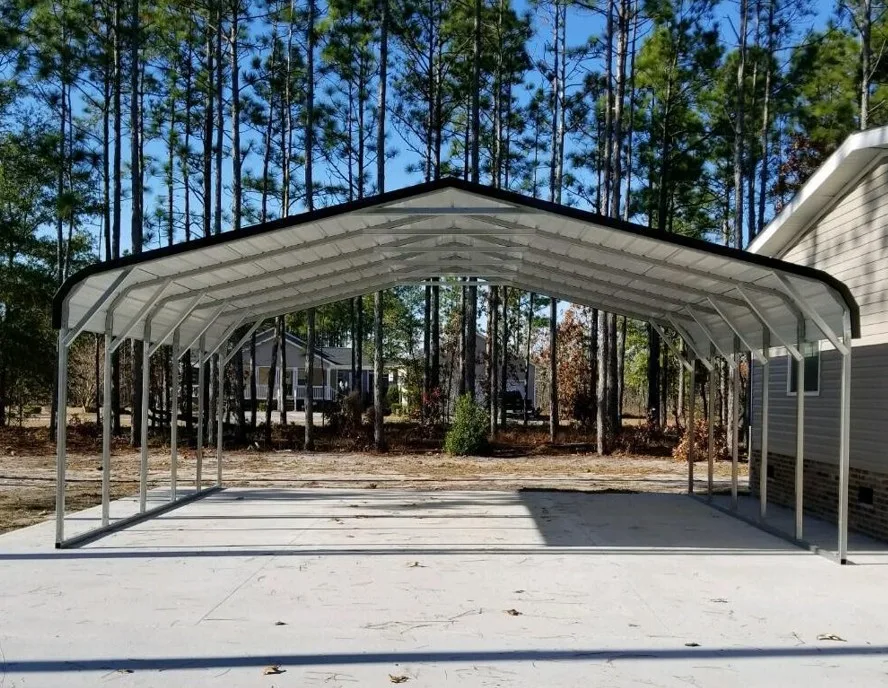
Steel buildings hold up to winter better than almost any other structure you can put on your property. The panels don’t rot, the framing doesn’t warp, and a properly anchored building shrugs off snow and wind that would damage lighter structures. What steel can’t do on its own is manage interior moisture and air leaks. That part is on the owner, and it’s a small job compared to the years of comfortable, low-maintenance use you get in return.
So pick a Saturday, make a thermos of coffee, and give your shop the attention it deserves before the cold moves in. Your future self, standing in a warm and dry workshop in the middle of January, will be glad you did.