

Key Takeaways
- Indoor air can carry dust, pollen, pet dander, mold spores, cooking particles, odors, and product fumes.
- Regular cleaning, appropriate filtration, ventilation, and moisture control work better together than any single solution.
- Bedrooms, kitchens, bathrooms, laundry areas, and HVAC components each need different attention.
- Persistent odors, dampness, visible mold, pests, or airflow problems may warrant a closer inspection.
- Ongoing breathing or allergy symptoms should be discussed with a qualified medical professional.
Why Indoor Air Deserves Attention
Homes are designed to provide shelter, but closed windows, limited airflow, and everyday activity can also allow pollutants to linger indoors. Dust, outdoor pollen, pet dander, smoke, moisture, cooking particles, and fumes from cleaning products can all affect how fresh a home feels.
Better indoor air quality rarely depends on one dramatic change. It usually comes from steady habits, such as reducing dust at the source, drying wet areas quickly, maintaining heating and cooling equipment, and knowing when issues in vents may justify looking into air duct cleaning as part of a broader home-maintenance plan.
Start With the Bedroom
Bedrooms collect dust from bedding, rugs, curtains, furniture, and clutter nearby. Wash sheets and pillowcases regularly, dry them thoroughly, and vacuum rugs and floors often, taking traffic and pets into account. Keep surfaces clear for damp microfiber wipes, which reduce dust recirculation. To minimize pet dander exposure, keep pets off bedding if there are sensitivities. Address recurring stains, musty odors, or damp drywall directly, rather than covering them with paint or fragrances. When the source of moisture is unclear, a mold inspection can help identify whether a moisture issue needs further attention.
Keep Kitchen Air Moving
Cooking can add fine particles, heat, moisture, and gases to indoor air, especially when food is fried, seared, or accidentally burned. Use a range hood whenever possible, preferably one that vents outdoors. Turn it on when cooking begins and leave it running briefly afterward to help clear lingering fumes.
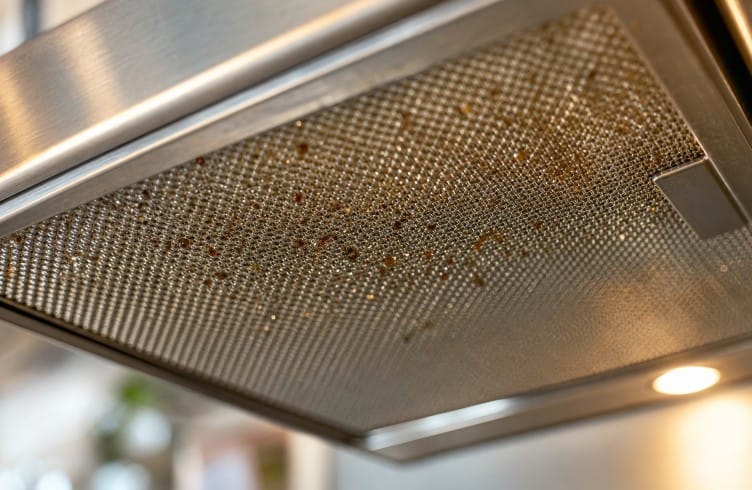
Use rear burners when they align better with the hood, clean grease and crumbs from cooking surfaces, and avoid deliberately charring food indoors. If a kitchen does not have an outdoor-venting hood, opening a window may help when outdoor conditions are good, but it is not always the right choice during wildfire smoke, high pollen, or heavy outdoor pollution.
Fuel-burning appliances deserve extra caution. Do not ignore unusual gas or combustion odors, and never use grills or other appliances intended for outdoor use inside. Carbon monoxide alarms should be installed and maintained according to applicable local requirements and manufacturer instructions.
Control Moisture in Bathrooms and Laundry Areas
Moisture control limits mold growth and dust mites by using bathroom exhausts during showers, drying wet areas, repairing leaks, and ventilating laundry spaces. Keep humidity low by avoiding condensation and removing moisture from affected areas, rather than just masking odors or cleaning visible spots without addressing water sources.
Check Heating and Cooling Components
Central heating and cooling systems circulate air, so routine maintenance is important. Check the filter size and replacement schedule recommended by the manufacturer. A dirty filter restricts airflow, and an overly restrictive filter may cause performance issues. Regularly inspect supply vents and return grilles for dust, blocked airflow, or moisture. Persistent weak airflow, uneven temperatures, strange odors, or pest signs suggest system assessment. Duct cleaning isn’t a substitute for filter changes, leak repairs, or mold remediation, but an inspection is useful if contamination or debris is visible.
What Filters and Air Cleaners Can Do
Basic HVAC filters are primarily intended to protect equipment, while higher-efficiency filters may capture more airborne particles when compatible with the system. Portable air cleaners can also help in a specific room when they are correctly sized and operated consistently.
Neither option removes every concern. Filters cannot fix a plumbing leak, remove moisture from a wall cavity, or fully address gases and pollutants that have settled on surfaces. The common sources of indoor particulate matter include cooking, cleaning, combustion, pets, mold, and outdoor air, which is why source control remains important.
A Simple Cleaning Routine That Reduces Dust
Clean from high surfaces down to the floor so that loosened debris is not left behind. Wipe shelves, ceiling-fan blades, blinds, and furniture with a damp cloth, then vacuum rugs, upholstery, and floors. Maintain the vacuum according to its instructions, including emptying the collection bin or replacing filters when needed.
For people who react strongly to dust, it can be helpful to clean while they are out of the room and allow particles time to settle afterward. Avoid relying on heavily scented sprays to make a room feel clean, since fragrance can cover an odor without solving the issue that created it.
When Opening Windows Helps, and When It Does Not
Outdoor air can dilute indoor pollutants when local conditions are favorable. Opening windows briefly may be useful after cooking, cleaning, or using products with noticeable fumes. However, keep windows closed when wildfire smoke, high pollen, nearby traffic pollution, or excessive outdoor humidity would make indoor conditions worse.
Ventilation is helpful, but it does not replace fixing leaks, removing moldy materials, maintaining equipment, or cleaning settled dust. Think of it as one part of an indoor-air routine rather than a complete solution.
Signs a Home May Need a Closer Look
- Visible mold, recurring damp spots, or peeling surfaces caused by moisture.
- Musty odors that return after cleaning.
- Dust that accumulates unusually quickly.
- Weak, uneven, or noisy airflow from vents.
- Unexplained odors when heating or cooling start.
- Pest activity in or around air-handling areas.
- Symptoms that consistently improve away from home and return indoors.
A Seven-Day Indoor Air Check
- Day One: Check filters, vents, returns, and visible moisture.
- Day Two: Wash bedding and damp-dust bedroom surfaces.
- Day Three: Inspect bathrooms, laundry areas, basements, and cabinets for leaks.
- Day Four: Clean kitchen exhaust surfaces and test carbon monoxide alarms.
- Day Five: Vacuum rugs, floors, and upholstery.
- Day Six: Review window-opening and exhaust-fan habits.
- Day Seven: Write down lingering odors, moisture, or airflow concerns that need attention.
Build Better Air Habits One Room at a Time
Cleaner indoor air is usually the result of many manageable choices. Regular cleaning, sensible filtration, reliable ventilation, and fast moisture control can make a home more comfortable and easier to maintain. When warning signs persist, addressing the underlying cause is more useful than relying on a quick fix. Anyone with ongoing coughing, wheezing, shortness of breath, or allergy symptoms should seek advice from a qualified healthcare professional.