

Key Takeaways
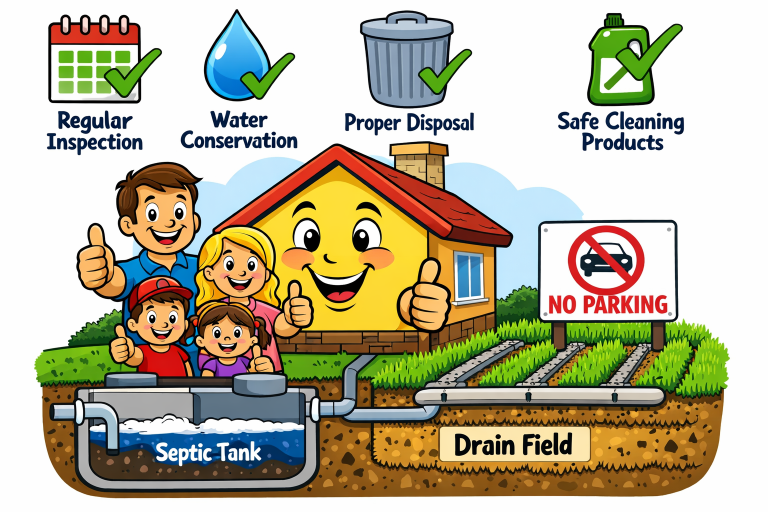
- Routine inspections and regular pumping are crucial for avoiding system failures.
- Responsible water usage and proper waste disposal help prevent septic problems.
- Safeguarding your drain field extends system life and maximizes drainage efficiency.
- Choosing septic-safe household products helps protect beneficial bacteria in the tank.
- Ongoing education for all household members ensures shared responsibility and preventive care.
Ensuring your septic system functions efficiently for years is not just a concern for rural homeowners. Consistent septic care is essential for those who manage their own wastewater treatment. With a proactive approach, residents can avoid the high cost and inconvenience of system failures. For those in York, Pennsylvania, understanding residential septic solutions and best practices is the first step to protecting this vital infrastructure.
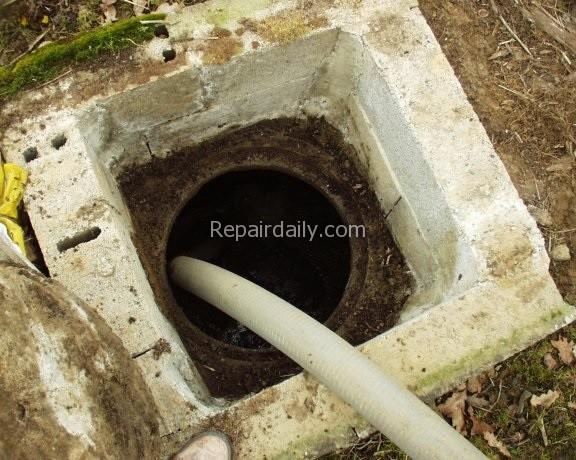
A well-maintained septic system offers longevity, eco-friendly operation, and peace of mind. Even new homeowners or those unfamiliar with septic systems can confidently manage maintenance by following evidence-based recommendations. Informed stewardship can make the difference between minor upkeep and a major household disruption.
This knowledge is equally relevant to business owners who rely on the efficiency of a commercial septic system. Routine monitoring and maintenance reduce risk and support long-term performance, regardless of system size or load. Incorporating best practices in septic care is a sound investment for any property owner.
Schedule Regular Inspections and Pumping
At the core of septic care is a regular maintenance schedule. Experts advise inspecting your septic system every 3 years and having it pumped every 3 to 5 years. Variables such as household size, wastewater volume, and tank capacity will influence these intervals. Following routine schedules reduces the risk of solids building up and overwhelming the system, which could ultimately cause sewage backups or costly overhauls. The EPA offers a comprehensive guide on proper septic system management.
Conserve Water to Reduce System Strain
Septic systems are designed to handle a specific volume of wastewater. Overloading the system by excessive water use can decrease its effectiveness and lifespan. Simple water conservation steps, such as installing efficient toilets, addressing leaks, and spreading laundry loads, make a significant impact. According to the U.S. Environmental Protection Agency, even minor reductions can help alleviate flow rates and prevent premature system wear.
Dispose of Waste Properly
Contaminants and non-biodegradable materials should not enter your septic system. Flushing inappropriate items, such as hygiene products, wipes, or certain types of paper towels, increases the risk of blockages. Pouring grease, oils, or hazardous chemicals down drains can also disrupt the critical balance of beneficial bacteria required for efficient wastewater breakdown. For a detailed list, refer to Family Handyman’s septic system tips.
Protect Your Drain Field
The drain field, where treated wastewater is naturally filtered in the soil, requires special attention to remain functional. Avoid parking vehicles or placing heavy equipment in the area, as excess weight can compact soil and damage pipes. Landscaping should be carefully planned; keep trees and shrubs at a distance to prevent their roots from interfering with drainage pipes. Ensuring that runoff from gutters and downspouts is diverted away prevents oversaturation and maintains the effectiveness of your drain field.

Use Septic-Safe Products
Most household cleaning products are not designed for septic systems. Using septic-safe products helps preserve the bacterial balance that breaks down waste in the tank. Avoiding antibacterial soaps, bleach-heavy solutions, and concentrated detergents prevents disruption to the septic system’s ecosystem. This step is a small but significant investment in preventing build-up and blockages.
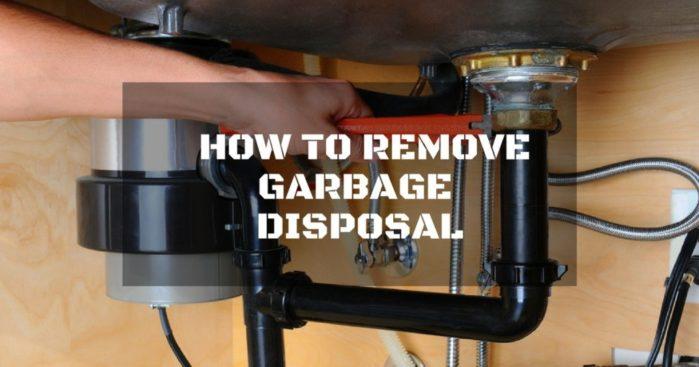
Be Mindful of Garbage Disposal Use
Garbage disposals are convenient, but they can increase the volume of solids entering your septic tank. Use them sparingly to avoid creating excess sludge that requires more frequent pumping. Try to dispose of fibrous foods, oils, and coffee grounds in the trash rather than the disposal unit, as these items are more likely to obstruct proper processing within the tank.
Monitor for Signs of Trouble
Early detection of septic system issues is essential for prompt intervention and preventing costly damage to your property. Warning signs such as slow-draining sinks, gurgling sounds in pipes, unpleasant sewage odors inside or outside the home, and soggy patches near the drain field should never be ignored. Addressing these symptoms early helps prevent system failure, reduces repair costs, and minimizes homeowners’ long-term stress.
Educate Household Members
Every member of the household should know how to support septic system health. Education reduces the likelihood of accidental misuse, such as flushing inappropriate materials or overloading the system with water. When septic care becomes part of household routines, the collective effort safeguards your property.
Improving your approach to septic care delivers long-term benefits. By following simple preventive measures and keeping informed with trusted resources, you can extend system life and avoid unnecessary repairs. For further reading on general maintenance tips, visit The New York Times Home Maintenance Checklist. A well-maintained septic system not only protects your home but also helps ensure a healthier local environment for years to come.
