

Most homeowners think about their HVAC system purely in terms of temperature. But humidity plays just as big a role in comfort, and it has a direct effect on how hard a heating and cooling system has to work. Understanding that relationship makes it much easier to spot problems before they turn into bigger, more expensive ones, and it can reveal issues a thermostat setting alone would never explain.
What “Relative Humidity” Actually Means
Relative humidity measures how much moisture is in the air compared to the maximum amount the air could hold at that temperature. Warmer air can hold more moisture than cooler air, which is why the same humidity level can feel very different depending on the season. Most comfort guidelines recommend keeping indoor relative humidity somewhere between 30 and 50 percent, a range that balances comfort, health, and how efficiently an HVAC system operates.
How High Humidity Strains Your AC
Air conditioners don’t just cool air, they also remove moisture from it as part of the cooling process. In especially humid climates or during particularly wet stretches, a system has to work harder to pull that extra moisture out of the air, which means longer run times and higher energy use even if the temperature itself isn’t unusually high.
This added strain adds up over time. A system that’s constantly overworked to manage excess humidity tends to wear out faster than one operating in a more balanced environment, and homeowners often notice higher utility bills during these humid stretches even when their thermostat setting hasn’t changed. Compressors and blower motors in particular bear the brunt of this extra workload, since they’re the components running longest during heavy humidity removal.
How High Humidity Affects Comfort and Air Quality
High humidity makes a home feel warmer than the thermostat actually reads, which tempts many homeowners to lower the temperature further rather than address the humidity itself. That habit compounds the problem, since a lower thermostat setting means even more strain on a system that’s already working overtime.
Excess moisture also creates ideal conditions for mold and dust mites, both of which thrive in humid environments. Musty odors, visible condensation on windows, and a heavy, sticky feeling in the air are all common signs that indoor humidity has crept above a comfortable range, and these conditions can worsen allergy or asthma symptoms for sensitive household members.
How Low Humidity Affects Your Home in Winter
The opposite problem shows up during colder months. Heating systems, combined with naturally drier winter air, can pull indoor humidity levels down significantly, sometimes well below the comfortable range. Air that’s too dry can cause dry skin, irritated sinuses, static electricity, and even damage to wood furniture and flooring as materials lose moisture and start to crack or warp.
Low humidity also affects how warm a home feels. Dry air makes a given temperature feel cooler than it actually is, which can lead homeowners to raise the thermostat higher than necessary just to feel comfortable, driving up heating costs in the process, and creating the same kind of avoidable strain on equipment that excess humidity causes in summer.
The Ideal Humidity Range for Comfort and Efficiency
Staying within that 30 to 50 percent range benefits both comfort and system performance. Within this range, a home feels more comfortable at a given temperature setting, which means a thermostat doesn’t need to be pushed to extremes to compensate. It also reduces the strain tied to constantly correcting for humidity that’s too high or too low, which helps extend the working life of HVAC equipment overall and can meaningfully lower year-round energy costs.
How Humidity Affects Ductwork and Long-Term Wear
Humidity doesn’t just affect the main components of an HVAC system, it also affects the ductwork that carries conditioned air throughout a home. Excess moisture can encourage condensation to form inside ducts, particularly in poorly insulated sections, which over time can lead to mold growth or corrosion inside the duct system itself. On the other end, chronically dry air during winter can contribute to small gaps and cracks forming in certain duct materials and seals as they dry out and contract.
These effects compound over years of use. A system that’s regularly exposed to humidity extremes on either end tends to need more frequent repairs and generally has a shorter overall lifespan than one operating in a consistently balanced environment.
Signs Your Home’s Humidity Is Out of Balance
A few signs tend to show up when indoor humidity drifts out of the comfortable range. Condensation on windows, a musty smell, or visible mold growth usually point to humidity that’s too high. Static shocks, dry skin, cracking wood trim, or furniture that seems to be shrinking or warping typically point to air that’s too dry. Noticing these signs early makes it easier to correct the underlying humidity issue before it causes lasting damage or a bigger spike in energy costs, rather than assuming the thermostat alone is the problem.
Balancing Humidity Year-Round
Managing humidity effectively often calls for more than just adjusting a thermostat. During humid months, a whole-home dehumidifier works alongside an air conditioner to pull excess moisture from circulating air, easing the load on the cooling system and keeping indoor conditions more comfortable without constantly lowering the temperature setting.
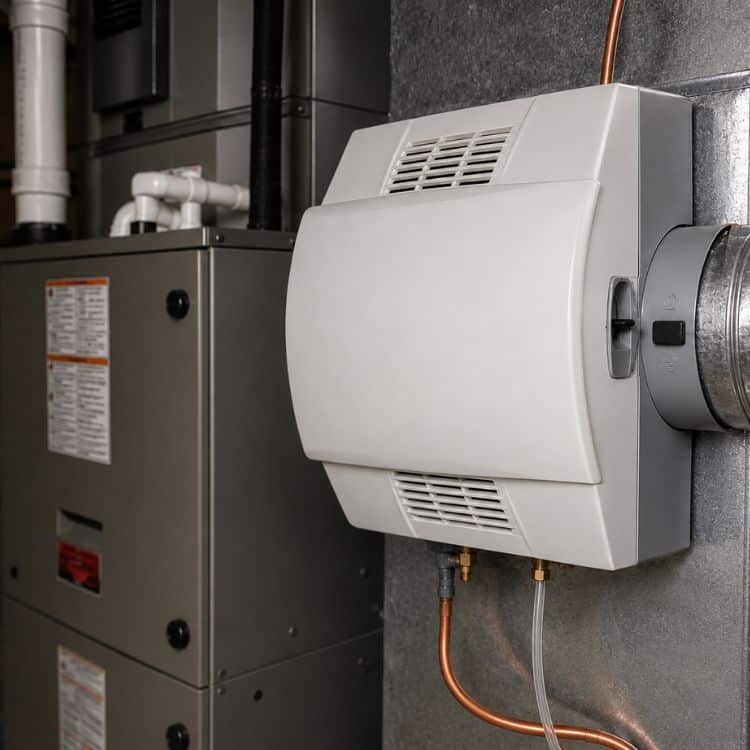
During colder months, the opposite problem calls for the opposite solution. A whole-home humidifier adds moisture back into circulating air as it moves through a home’s ductwork, addressing the dryness that heating systems and winter air naturally create. Integrating either system directly with existing ductwork, rather than relying on portable units room by room, keeps humidity balanced consistently throughout an entire home rather than just in whatever room a portable unit happens to be sitting in.
Final Thoughts
Humidity affects far more than how sticky or dry the air feels on a given day. It directly influences how hard an HVAC system has to work, how much energy it uses, and how long it lasts before needing repairs or replacement. Paying attention to humidity levels, not just temperature, gives homeowners a fuller picture of what’s actually happening with their home’s comfort and their system’s performance throughout the year. A small adjustment to how humidity is managed can pay off in lower bills, fewer repairs, and a noticeably more comfortable home in every season.