

When buying or selling a home, the inspection process is one of the most important steps in the transaction. Home inspectors evaluate many aspects of a property, including the heating, ventilation, and air conditioning (HVAC) system. Because HVAC equipment plays a major role in comfort, energy efficiency, and indoor air quality, any problems discovered during an inspection can raise concerns for buyers and potentially affect negotiations. Understanding common HVAC issues that may appear during an inspection can help homeowners address problems before they become obstacles.
Aging Air Conditioning Equipment
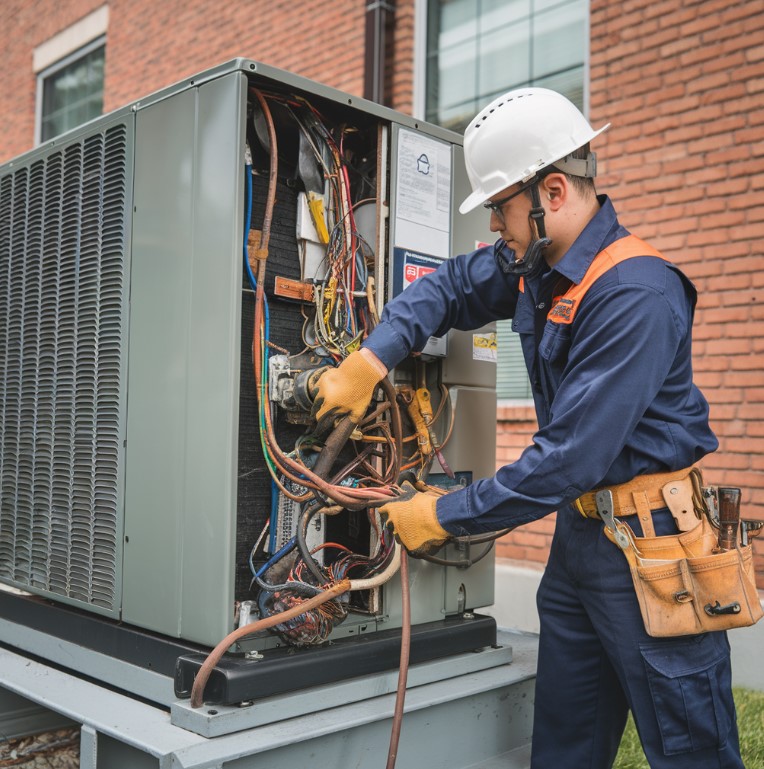
The age of an HVAC system is often one of the first things buyers and inspectors consider. Older air conditioning units may still operate, but they are generally less efficient than newer models and may be nearing the end of their expected lifespan.
An aging system can raise concerns about future replacement costs and reliability. Buyers may request additional evaluations or negotiate repairs if they believe the equipment will soon require significant work or air conditioner repair.
Poor Maintenance History
Regular maintenance is essential for keeping HVAC systems running efficiently. During an inspection, signs of neglect may become apparent through dirty filters, excessive dust accumulation, corroded components, or poorly maintained equipment.
A neglected system can make buyers question whether other areas of the home have also been overlooked. Routine maintenance records can help reassure buyers that the HVAC system has been properly cared for over time.
Uneven Heating or Cooling
If some rooms are noticeably warmer or cooler than others, it may indicate airflow problems, damaged ductwork, blocked vents, or an improperly sized HVAC system.
Inspectors often note inconsistent temperatures because they can affect comfort and signal underlying mechanical issues. Uneven cooling may lead buyers to request further evaluation before moving forward with the purchase.
Damaged Ductwork
Ductwork distributes conditioned air throughout the home. Over time, ducts can develop leaks, become disconnected, or suffer damage that reduces efficiency.
Leaky ducts can cause energy loss, uneven temperatures, and increased utility bills. Visible ductwork problems may be included in the inspection report and could become a point of concern during negotiations.
Thermostat Malfunctions
A thermostat serves as the control center for the HVAC system. If it does not accurately measure temperature or communicate properly with the equipment, the entire system may perform poorly.
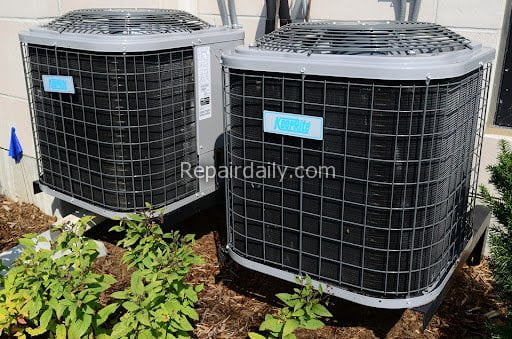
Inspectors often test thermostat functionality during the inspection process. Problems with temperature control can suggest deeper HVAC concerns and may require professional attention.
Unusual Noises During Operation
Strange sounds coming from HVAC equipment often indicate mechanical problems. Grinding, rattling, squealing, or banging noises can be signs of worn components, loose parts, or other developing issues.
While inspectors typically do not diagnose the exact cause of these noises, they may recommend further evaluation by an HVAC professional. Buyers often view unusual sounds as warning signs of future repair expenses.
Moisture and Drainage Issues
Air conditioning systems naturally produce condensation, but excessive moisture around indoor units may indicate drainage problems. Water leaks can damage flooring, walls, and ceilings while creating conditions that encourage mold growth.
Inspectors frequently document visible moisture issues because they can affect both the HVAC system and the home’s overall condition.
Poor Indoor Air Quality Indicators
HVAC systems contribute significantly to indoor air quality. Dirty filters, inadequate ventilation, and excessive dust accumulation may indicate that the system is not operating efficiently.
Buyers are increasingly interested in healthy indoor environments, making air quality concerns an important factor during home inspections.
Conclusion
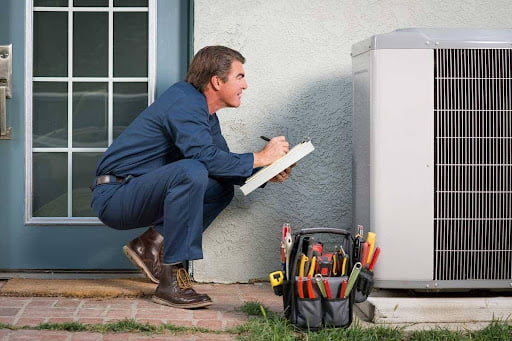
HVAC problems can have a significant impact on a home inspection and may influence a buyer’s decision-making process. Aging equipment, poor maintenance, uneven cooling, damaged ductwork, moisture concerns, and the potential need for air conditioner repair can all raise red flags. Homeowners who address these issues before listing their property can improve buyer confidence, reduce surprises during inspections, and help create a smoother path to a successful home sale.