

A house fire can be one of the most devastating events a property owner experiences. Beyond the visible destruction caused by flames, fire often leaves behind smoke contamination, soot residue, water damage from firefighting efforts, and structural concerns that require immediate attention. Understanding the fire damage restoration process can help homeowners and business owners know what to expect after a fire and make informed decisions during a challenging time. While every fire loss is unique, professional restoration follows a structured approach designed to return the property to a safe, clean, and functional condition as quickly as possible.
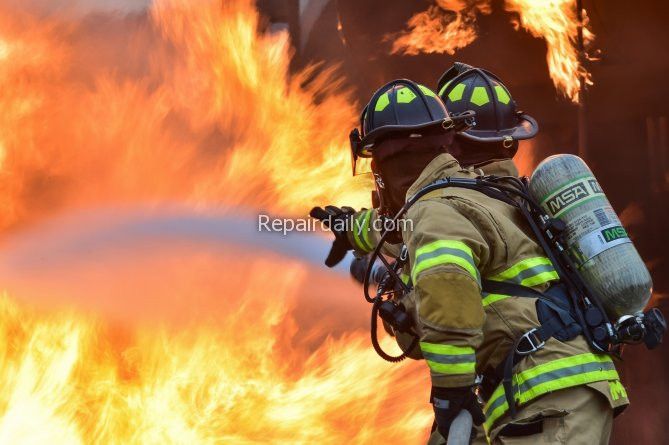
Many people assume restoration begins once the fire is extinguished. In reality, recovery starts the moment emergency responders leave the scene. Quick action is critical because smoke and soot continue causing damage long after the flames are gone. The sooner restoration professionals begin their work, the better the chances of minimizing secondary damage and preserving salvageable materials.
Understanding the Impact of Fire Damage
Fire damage extends far beyond burned materials. Even a relatively small fire can affect areas of a property that never came into direct contact with flames. Smoke travels rapidly through ventilation systems, settles on surfaces throughout the building, and penetrates porous materials such as drywall, insulation, furniture, and clothing.
In addition to smoke contamination, water used to extinguish the fire often creates another layer of damage. Saturated flooring, soaked drywall, and elevated humidity levels can increase the risk of mold growth if not addressed quickly.
As a result, successful fire restoration requires a comprehensive approach that addresses fire, smoke, soot, odor, and water damage simultaneously.
Step 1: Emergency Response and Initial Assessment
The restoration process typically begins with an emergency response call. Reputable restoration companies offer 24/7 services because fire damage requires immediate attention.
Upon arrival, restoration professionals perform a detailed assessment of the property. Their goal is to evaluate the extent of the damage, identify safety hazards, and develop a restoration strategy tailored to the specific situation.
During this phase, technicians inspect structural components, document damaged areas, assess smoke contamination, and determine the scope of water intrusion. Photographs, measurements, and written reports are often created to assist with insurance claims and project planning.
A thorough assessment ensures that hidden damage is identified before restoration work begins.
Step 2: Securing the Property
After the initial inspection, the next priority is protecting the structure from further damage. Fires often leave properties exposed to weather, vandalism, and unauthorized access.
Restoration teams may install temporary roof tarps, board up broken windows, secure damaged doors, and stabilize compromised structural elements. These measures help preserve the condition of the property while restoration activities are underway.
Securing the building also protects occupants and workers from potential safety hazards associated with weakened construction materials.
Step 3: Water Removal and Drying
Many homeowners are surprised to learn that water damage restoration is often one of the first steps following a fire.
Firefighters frequently use large volumes of water to extinguish flames, and that water can quickly spread throughout the structure. If moisture remains trapped inside walls, ceilings, or flooring, additional damage may occur long after the fire has been extinguished.
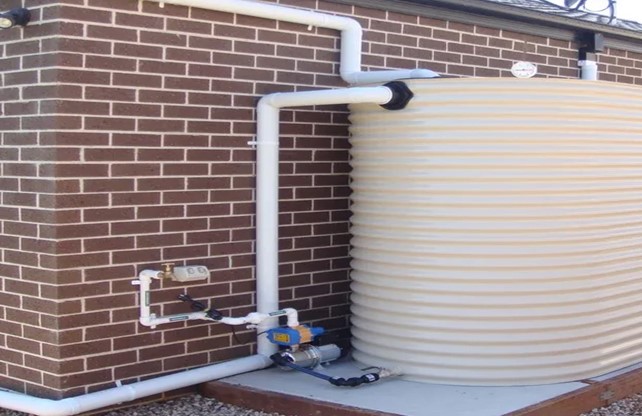
Professional restoration teams use industrial extraction equipment to remove standing water and specialized drying systems to eliminate hidden moisture. Air movers and commercial dehumidifiers help accelerate evaporation and restore appropriate humidity levels throughout the property.
Technicians monitor moisture levels regularly to ensure the structure is completely dry before moving forward with repairs.
Step 4: Smoke and Soot Removal
Smoke and soot are among the most challenging aspects of fire restoration. These residues can begin damaging surfaces within hours and often spread much farther than homeowners expect.
Soot particles are highly acidic and can stain walls, ceilings, flooring, appliances, and personal belongings. If not removed promptly, they may cause permanent discoloration and corrosion.
Professional restoration specialists use specialized cleaning techniques designed for different types of soot. Dry soot, wet soot, protein residue, and fuel oil residue each require different cleaning methods to avoid further damage.
Advanced equipment and cleaning agents allow technicians to remove contamination safely while preserving as many materials as possible.
Step 5: Odor Elimination and Air Quality Restoration
One of the most persistent effects of a fire is the lingering smell of smoke. Even after visible soot has been removed, odor-causing particles can remain embedded within building materials and personal belongings.
Professional deodorization involves much more than masking unpleasant smells with fragrances. Restoration companies use advanced technologies designed to neutralize odor molecules at their source.
Depending on the situation, technicians may utilize thermal fogging, ozone treatment, hydroxyl generators, or HEPA air scrubbers to restore indoor air quality.
The goal is to eliminate smoke odors completely so that occupants can safely return to the property without lingering reminders of the fire.
Step 6: Cleaning and Restoring Personal Belongings
Many items affected by fire and smoke can often be restored rather than replaced. Professional content restoration helps save valuable possessions while reducing overall claim costs.
Furniture, electronics, clothing, photographs, documents, and sentimental items may be cleaned using specialized techniques. Some contents are transported to off-site restoration facilities where they can be treated in a controlled environment.
For homeowners, this stage is often one of the most meaningful parts of the recovery process because it can preserve irreplaceable personal belongings.
While not every item can be saved, modern restoration methods frequently achieve better results than many people expect.
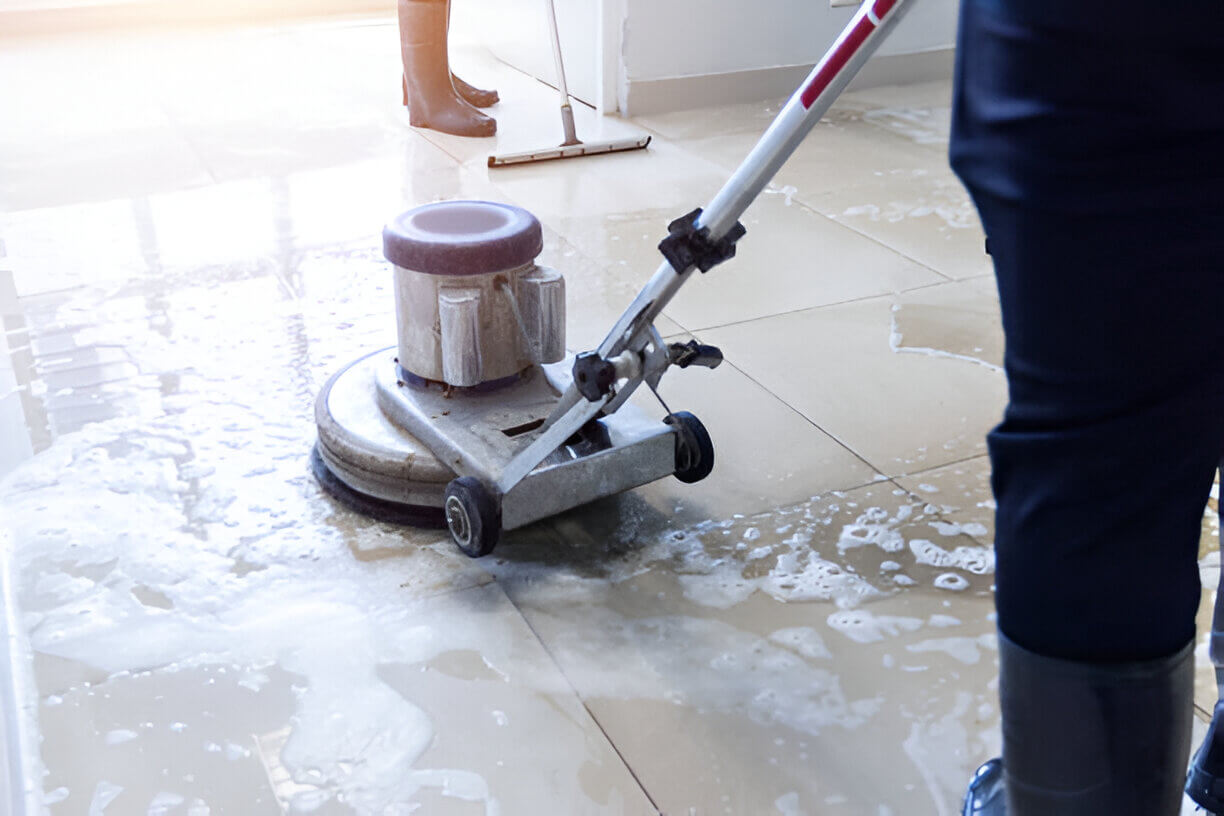
Step 7: Structural Cleaning and Repairs
Once smoke, soot, and odors have been addressed, attention turns to repairing the structure itself.
The scope of repairs depends on the severity of the fire. Minor losses may require replacing drywall, repainting surfaces, and installing new flooring. More significant fires can involve rebuilding walls, replacing roofing systems, repairing framing, and reconstructing entire sections of the property.
Restoration professionals carefully evaluate which materials can be salvaged and which must be removed. Their objective is to restore the structure to its pre-loss condition while ensuring safety and compliance with current building standards.
This phase often represents the longest portion of the restoration process.
Step 8: Final Inspection and Quality Assurance
Before a project is considered complete, restoration teams conduct a final inspection to verify that all work meets quality and safety standards.
This review includes checking moisture levels, inspecting repairs, evaluating air quality, and ensuring that smoke odors have been eliminated. Any remaining issues are addressed before the property is returned to the owner.
The final inspection provides peace of mind that the home or business has been restored properly and is safe for occupancy.
A reputable restoration company will not consider the project finished until every aspect of the recovery process has been completed successfully.
Working With Insurance During Fire Restoration
Insurance claims play a significant role in most fire restoration projects. Because fire losses often involve multiple types of damage, accurate documentation is essential.
Restoration companies frequently assist homeowners by documenting damage, preparing detailed estimates, creating inventories of affected belongings, and communicating with insurance adjusters.
This support can help streamline the claims process and reduce some of the stress associated with recovering from a fire.
Property owners should maintain records of all communications, photographs, and expenses related to the loss to support their claim.
How Long Does Fire Damage Restoration Take?
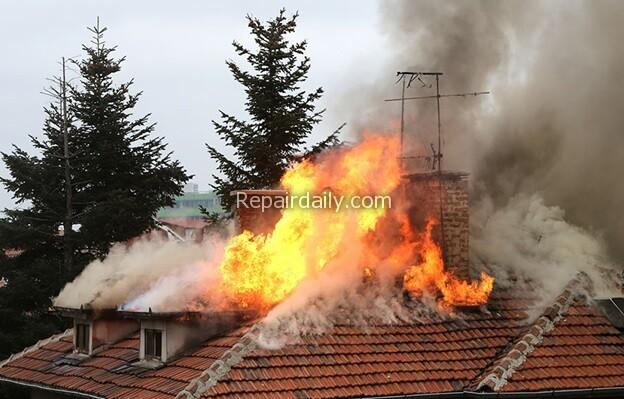
The timeline for fire restoration varies significantly depending on the extent of the damage.
Minor fire losses may be restored within several days or weeks, while major structural fires can require months of reconstruction. Factors that influence the timeline include property size, severity of damage, availability of materials, insurance approvals, and the complexity of repairs.
Although every project is different, a professional restoration company can provide an estimated timeline after completing the initial assessment.
Patience is often necessary because thorough restoration is more important than rushing the process.
Common Mistakes Homeowners Should Avoid
After a fire, emotions run high, and property owners may feel pressure to act quickly. However, several mistakes can complicate the restoration process.
Attempting to clean soot without professional guidance can spread contamination and permanently damage surfaces. Entering structurally compromised areas may create safety risks. Delaying restoration can allow smoke damage and moisture problems to worsen.
Homeowners should also avoid discarding damaged belongings before documenting them for insurance purposes.
Working closely with qualified restoration professionals helps prevent these common issues and improves recovery outcomes.
Choosing the Right Fire Restoration Company
Selecting the right restoration company is one of the most important decisions after a fire.
Look for providers that offer:
- 24/7 emergency response
- Fire and smoke restoration experience
- Advanced restoration equipment
- Insurance claim assistance
- Positive customer reviews
- Licensed and insured technicians
A qualified restoration team can guide property owners through every stage of recovery while ensuring the highest possible restoration standards.
Conclusion
Recovering from a fire is rarely simple, but understanding the restoration process can make the experience less overwhelming. From emergency response and water extraction to soot removal, odor elimination, and structural reconstruction, every step plays a critical role in restoring the property safely and effectively. Fire damage often extends far beyond what is immediately visible, making professional restoration essential for identifying hidden problems and preventing long-term complications.
By acting quickly, documenting damage thoroughly, and partnering with an experienced restoration company, homeowners and business owners can navigate the recovery process with greater confidence. Although restoration takes time, the ultimate goal remains the same: returning the property to a safe, comfortable, and fully functional condition while helping occupants move forward after a difficult event.