
Cómo utilizar una mesa router Ryobi


abc news

router table

mesa de fresado

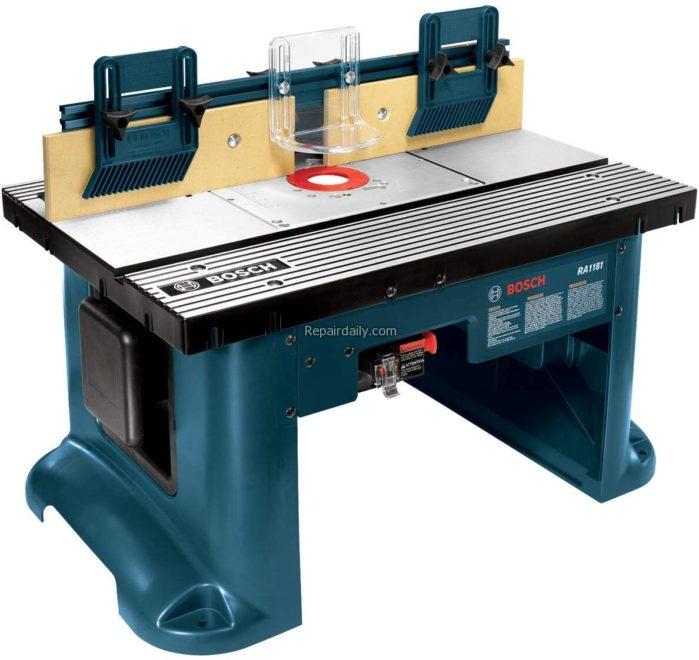
Una mesa para fresadora en su taller de carpintería puede proporcionar mucha más funcionalidad a la fresadora y a su taller. Si usted ha estado utilizando un router estacionario de la mano o un router de la zambullida, puede ser una experiencia que usted desearía mucho antes. Usted puede utilizar fácilmente un router estacionario de la mano, o aún un router de la zambullida con una tabla del router y utilizarla para la mejor salida. Las tablas del router de Ryobi están entre las mejores tablas del router que pueden ayudarle a conseguir las conveniencias a un nuevo nivel entero.


Según los expertos de woodtoolspro.com, El 80% de los usuarios de fresadoras utilizan una mesa de fresado para aumentar la eficacia en el trabajo de la madera. Sin embargo, junto con las comodidades, una mesa de fresado también puede convertirse en una herramienta peligrosa y aterradora si no sabe cómo usarla. En este artículo, te ayudaré a entender cómo puedes usar una mesa para fresadora Ryobi y empujar tu fresadora para un mejor rendimiento.


Cómo utilizar una mesa router Ryobi

Las fresadoras Ryobi son estupendas tanto para trabajos profesionales como para principiantes; pero, hay que montarla correctamente y empezar a usarla. Estas son las cosas que debes saber si estás planeando utilizar una mesa de fresado Ryobi para sacarle el máximo partido:


1. Configuración de la mesa de la fresadora

Si acaba de adquirir la mesa de fresado Ryobi y tiene pensado utilizarla para sus proyectos, lo primero que debe tener en cuenta es su configuración. Al principio puede parecer un trabajo fácil, pero si eres nuevo en esto, créeme, puede ser mucho más difícil de lo que crees. Antes de empezar a montarlo, no olvides consultar el manual del fabricante para tener la mejor referencia. Aquí te ayudaré brevemente con el proceso para que entiendas cómo puedes armar tu mesa router Ryobi.


2. Instalar la caja de alimentación

Primero, pon la mesa boca abajo e inspecciona la parte inferior para encontrar la parte delantera y trasera de la mesa, la valla irá en la parte trasera. Tienes que fijar la caja de potencia debajo de la parte inferior delantera de la mesa, es el lado con 7 agujeros para tornillos o 4 en cada extremo. Coge el rail que coincida con los agujeros, conecta la caja de potencia al rail, y fijalo a la parte inferior delantera de la mesa.


3. Fije las patas de la mesa

Después de la caja de potencia, es el momento de fijar la mesa de la fresadora; tienes que hacerlo mientras la mesa está todavía boca abajo. Coge las patas, un destornillador Phillips, o un destornillador eléctrico como para poner las patas antes de atornillarlas. Atornilla las patas en su sitio, apriétalas bien para que no molesten mientras usas la fresadora y se caigan. Puedes girar la mesa sobre sus patas y comprobar si tiene la base firme que necesita para mantenerse en el suelo.


4. Fijación de la placa de inserción

Usted recibirá una placa de montaje que tiene que insertar dentro del recorte en el centro de la mesa junto con la fresadora. Hay varios agujeros en la placa; están allí para tomar en routers de diferentes marcas, ya que todos tienen su patrón de montaje. Debes seguir el patrón correcto para atornillar la fresadora con la placa; puedes obtener más información al respecto de woodtoolspro.com. Ahora, antes de acoplar la fresadora con la placa, retira la placa base que viene acoplada a la fresadora previamente. Viene unida para que puedas utilizarla con las manos sin la mesa. Ahora, alinea los agujeros de la fresadora con el soporte y utiliza los tornillos que vienen con la fresadora para fijarlos.

5. Fijación del tope-guía y de la guía de ingletes

Pasa la fresadora por el agujero del centro de la mesa y sujeta un poco la placa de montaje. Coge una escala, ponla en la mesa para nivelar la superficie, sujétala de un lado a otro para asegurarte de que está totalmente plana. Haz lo mismo con la derecha y la izquierda; nivélalas de la misma manera que hiciste con la parte delantera y trasera. Ahora, coge la guía, ponla alineada con el carril, y sujétalas desde abajo con los pernos. Coloca la guía de ingletes de la misma manera, sigue el manual para saber qué perno tienes que utilizar. La guía de ingletes va en el lado de la mesa que está más cerca de ti mientras trabajas. Deben ir respectivamente de un lado a otro y de un lado a otro sin chocar ni encogerse.


6. Termine de instalar la mesa de la fresadora

Ahora que tienes casi todo en su lugar, es el momento de fijar el cartón pluma, la fresa y empezar a trabajar. Asegúrate de que no está ni demasiado apretado ni demasiado flojo, sólo la cantidad justa de apriete hará el trabajo. Coge tu broca, colócala en la fresadora y cúbrela con el anillo de garganta adecuado antes de empezar a trabajar. Ahora, el montaje de la máquina está completo, y está lista para su primer corte o trabajo de diseño.


7. Ajuste de la altura y corte de las piezas

Retira la placa de inserción, ajusta la altura de la fresa con el botón de ajuste situado debajo de la fresa y vuelve a colocarla. Ahora, mide el tamaño de la broca que necesitas y ajusta el peine a la altura de la tabla con la que estás trabajando. Aprieta el peine, arranca la máquina y empuja la madera por debajo del peine para realizar el primer corte.


Palabras finales

La mayor ventaja de utilizar una mesa de fresado es que le proporciona flexibilidad y le permite controlar la pieza en lugar de la propia fresadora. Las fresadoras Ryobi tienen la reputación de ser las mejores mesas para fresar, tanto para principiantes como para profesionales. El uso de una mesa para fresadora Ryobi puede ayudarle a realizar más trabajos con más eficacia que nunca. Si tiene que utilizar la máquina para trabajos profesionales, asegúrese de que tiene la altura adecuada a la base. Puede colocar la mesa de fresado en otro banco de trabajo, obtenga algunas ideas de configuración de woodtoolspro.com, y vea cómo lo hacen los expertos.


How To Use A Ryobi Router Table


abc news

router table

router table

A router table in your woodworking shop can provide a lot more functionality to the router and your shop. If you’ve been using a stationary hand router or a plunge router, it can be an experience you would want a lot earlier. You can easily use a stationary handheld router, or even a plunge router with a router table and use it for the best output. The Ryobi router tables are among the best router tables that can help you get the conveniences to a whole new level.


According to the experts from woodtoolspro.com, 80% of the router users use a router table to increase the woodworking efficiency. However, along with the conveniences, a router table can also become a dangerous and scary tool if you don’t know how to use it. In this article, I’ll help you understand how you can use a Ryobi router table and push your router for better performance.


Table of Contents:1 How To Use A Ryobi Router Table1.1 1.    Setting up the router table1.2 2.    Set up the power box1.3 3.    Attach the legs of the table1.4 4.    Attaching the insert plate1.5 5.    Attaching the fence and miter gauge1.6 6.    Complete installing the router table 1.7 7.    Adjusting the height and cutting lumbers2 Final words


How To Use A Ryobi Router Table

Ryobi routers are great for both professional work and beginners; but, you have to assemble it properly and start using it. Here are the things you must know if you’re planning to use a Ryobi router table to get the best out of it:


1.    Setting up the router table

If you have just gone to the Ryobi router table and are planning to use it for your projects, setting it up is the first thing you consider. It may seem an easy job at first, but if you’re new to it, trust me, it can be a lot harder than you think it is. Before you start assembling it, don’t forget to go through the manufacturer’s manual for the best reference. Here, I will help you through the process briefly to make you understand how you can set up your Ryobi router table.


2.    Set up the power box

First, put the table upside down and inspect the bottom to find the front and the back of the table, the fence will go on the back. You have to attach the power box under the front bottom side of the table, it’s the side with 7 screw holes or 4 on either end. Take the rail that matches the holes, connect the power box to the rail, and attach it to the front bottom of the table.


3.    Attach the legs of the table

After the power box, it’s time to attach the router table; you have to do it while the table is still upside down. Take the legs, a Phillips screwdriver, or a power screwdriver like putting the legs in before you screw them in. Screw the legs on their places, tighten them up firmly so that they don’t trouble while using the router, and fall off. You can turn the table on its legs and test if it has the right firm base it needs to stay on the ground.


4.    Attaching the insert plate

You will get a mounting plate that you have to insert inside the cutout in the middle of the table along with the router. There are several holes on the plate; they are there to take in routers from different brands as they all have their mounting pattern. You must follow the right pattern to screw in the router with the plate; you can find out more about it from woodtoolspro.com. Now, before you attach the router with the plate, remove the base plate that comes attached to the router in prior. It comes attached so that you can use it with hands without the table. Now, align the router’s holes to the mounting and use the bolts that come with the router to fasten them together.


5.    Attaching the fence and miter gauge

Put the router through the hole in the middle of the table and fasten the mounting insert plate a little. Take a scale, put it on the table to level the surface, fasten it back and forth to ensure it’s dead flat. The same goes for the right to left; level them the way you did for the front and back. Now, take the fence, put it aligning the rail, and fasten them from the bottom with the bolts. Attach the miter gauge the same way, follow the manual to know which bolt you have to use. The miter gauge goes on the side of the table, which is closer to you while working. They respectively should come back and forth and side to side without bumping or cringing.


6.    Complete installing the router table

Now that you have almost everything in place, it’s time to attach the feather board, the router bit, and start working. Start with installing the feather board to the fence; make sure it’s not too tight or too loose, just the right amount of tightness will do the job. Take your router bit, put it into the router, and cover it with the right throat ring before you start working. Now, the assembly of the machine is complete, and it’s ready to go for its first cut or design work.


7.    Adjusting the height and cutting lumbers

Take out the insert plate, adjust the height of the router bit using the adjustment knob under the router, and put it back in. Now, measure the size of the bit you need, and adjust the feather board for the height of the board you’re working with. Tighten the feather board, start the machine, and push the lumber under the feather board to land your first cut.


Final words

The biggest advantage of using a router table is that it gives you flexibility and lets you control the piece instead of the router itself. Ryobi routers have the reputation of being the best router tables, both for beginners and professionals. Using a Ryobi router table can help you get more jobs done with more efficiency than ever. If you have to use the machine for professional work, make sure it has the right height to the base. You can fit the router table on another workbench, get some setup ideas from woodtoolspro.com, and see how the experts do it.