

Energy-efficient windows are an important consideration for homeowners planning a renovation, replacement project, or new home construction. Understanding the features commonly associated with energy-efficient windows can help homeowners evaluate available options and make informed decisions.
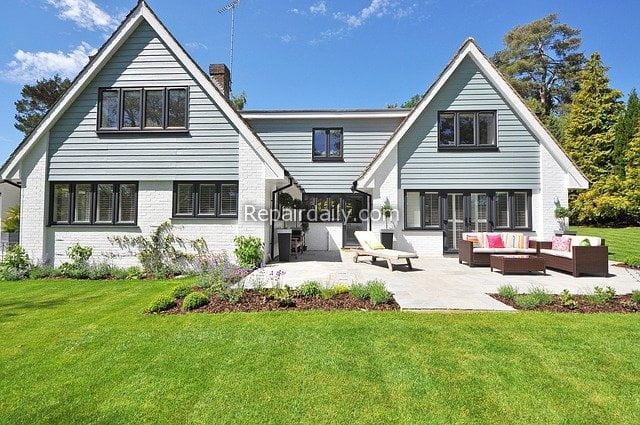
One feature often found in energy-efficient windows is Low-Emissivity (Low-E) glass. Low-E coatings are thin, nearly invisible layers applied to glass surfaces during manufacturing. These coatings are designed to influence how heat and light interact with the glass, making them a common component in many modern window products.
Multi-pane glass is another feature frequently associated with energy-efficient windows. While older windows may contain a single pane of glass, many modern products use two or three panes separated by sealed spaces. Depending on the product, these spaces may contain air or insulating gases. Homeowners often review glass package options as part of the window selection process.
Frame materials are another important factor to consider. Common window frame materials include wood, vinyl, fiberglass, aluminum, and combinations of these materials. Each material has unique characteristics related to appearance, construction, maintenance requirements, and performance. Reviewing manufacturer specifications can help homeowners understand the differences between available frame options.
Weatherstripping and seals also play a role in window construction. These components are designed to help close gaps around moving parts of the window. The design and placement of weatherstripping can vary depending on the window style and manufacturer.
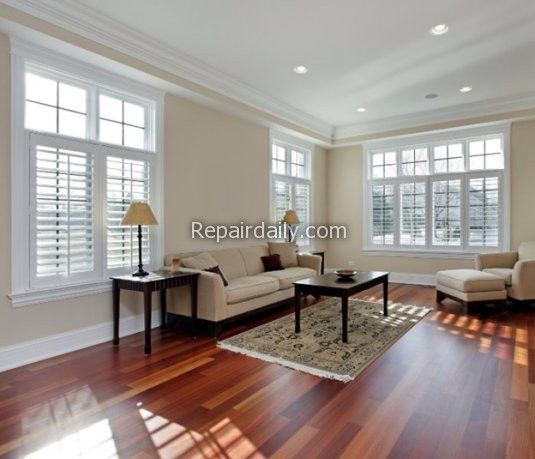
Homeowners researching energy-efficient windows often review standardized performance ratings. In the United States, the National Fenestration Rating Council provides ratings that allow consumers to compare certain performance characteristics across products. Common ratings include:
- U-Factor
- Solar Heat Gain Coefficient (SHGC)
- Visible Transmittance (VT)
- Air Leakage (when reported)
- Condensation Resistance (when reported)
These ratings provide a standardized method for evaluating window performance information.
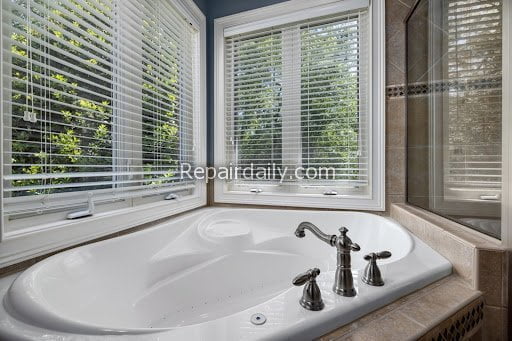
Window style is another consideration during the selection process. Common styles include double-hung, casement, awning, sliding, picture, and specialty windows. Each style offers different design characteristics and operational features. Homeowners often select window styles based on architectural preferences, ventilation goals, and project requirements.
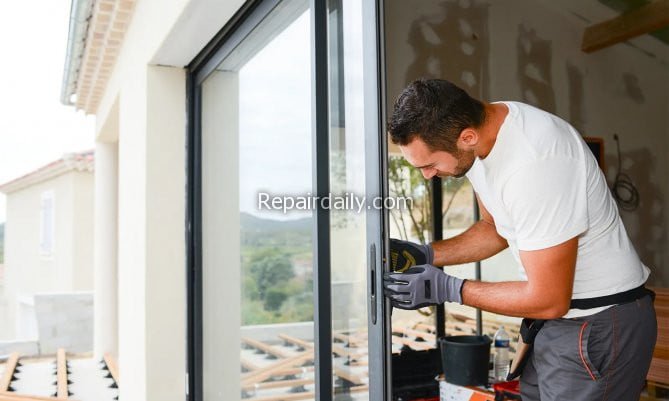
Proper installation is also an important part of any window project. Manufacturers provide installation requirements and specifications for their products. Following those guidelines helps ensure the window is installed according to the manufacturer’s recommendations.
Many homeowners begin their research by comparing materials, glass options, available styles, and performance ratings. Taking time to review product information and understand common window terminology can make it easier to evaluate available choices.
For homeowners researching McComb Pella Lafayette, understanding the basic features associated with energy-efficient windows is a helpful first step. Learning about Low-E glass, multi-pane construction, frame materials, weatherstripping, and standardized performance ratings can provide a stronger foundation when exploring window options and planning future home improvement projects.