

Key Takeaways
- Routine pumping reduces the risk of costly system failure and drain field issues.
- Proper maintenance can save homeowners thousands in preventable septic repairs.
- Responsible care safeguards your property and helps protect local water sources and ecosystems.
Table of Contents
- Importance of Regular Septic Tank Pumping
- Preventing System Overload and Drain Field Failure
- Cost Savings from Routine Maintenance
- Recommended Pumping Frequency
- Environmental Benefits of Septic Maintenance
- Signs Your Septic System Needs Pumping
- Best Practices for Septic System Care
- Conclusion
Regular care for your septic system is essential to prevent setbacks that can quickly turn into expensive emergencies. Scheduling routine Septic Pumping is one of the best ways to avoid major repairs, minimize health hazards, and ensure your system has a long and functional life. Many homeowners underestimate the impact of skipping maintenance, unaware that neglect can affect not only their pocketbooks but also their property’s environmental impact. Over time, failure to properly maintain a septic system increases the risk of overflows, clogs, and severe drain field complications. Understanding the direct relationship between preventive pumping and the lifespan of your septic system can help you make informed decisions about routine maintenance and professional care. In addition to routine septic pumping, specialized solutions such as septic pump-outs can address and resolve more complex situations, especially when dealing with tough clogs or excessive buildup. Addressing problems early with comprehensive services ensures your system operates efficiently year-round.
Importance of Regular Septic Tank Pumping
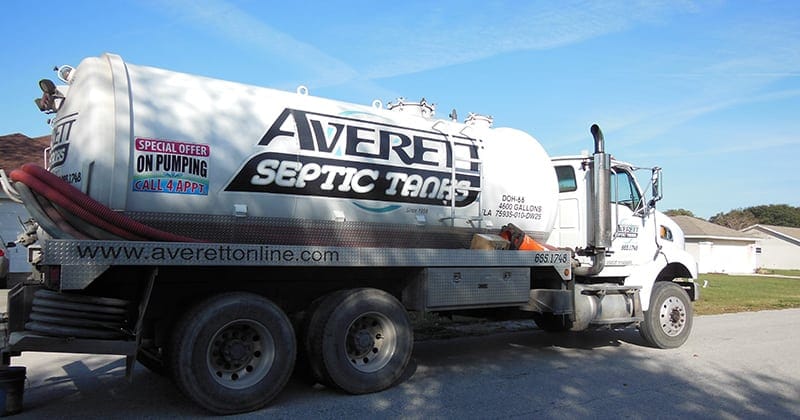
Septic tanks serve as private, on-site wastewater facilities for homes that are not connected to a municipal sewer system. Over time, solids settle at the bottom of the tank, while oils and grease float to the top. Regular septic pumping removes these accumulated materials, protecting your system from becoming overloaded. According to the Environmental Protection Agency, regular maintenance helps to extend the life of your system and can prevent pollution of nearby water sources.
Preventing System Overload and Drain Field Failure
One of the greatest threats to any septic system is drain-field failure, which occurs when solids escape the tank and clog the soil. This often leads to wastewater surfacing in the yard, unpleasant odors, or backups into the home. When a septic tank is not pumped regularly, these overflows disrupt the natural filtration process of the drain field and can turn routine maintenance into an urgent repair.
Cost Savings from Routine Maintenance
Regular maintenance is much less expensive than repairing a major septic failure. For example, the average cost to repair or replace a failed drain field ranges from $5,000 to $15,000. Simple preventive pumping, on the other hand, typically costs only a few hundred dollars every few years. Ensuring all household members are aware of what goes into the septic system can also save money by preventing accidental buildup or clogs.
Recommended Pumping Frequency
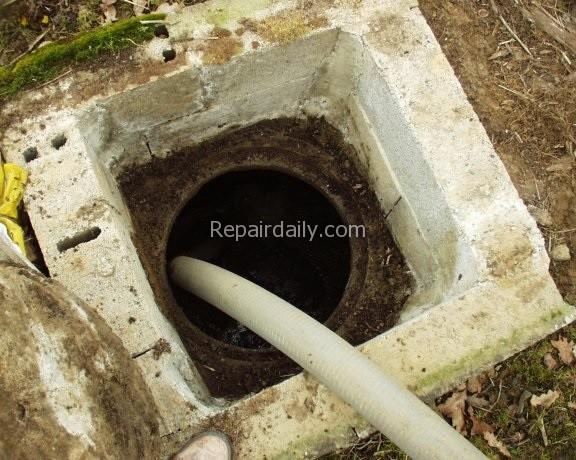
The recommended frequency for septic tank pumping depends on factors such as household size, average water usage, and tank size. As a rule of thumb, most homes benefit from pumping every three to five years. Larger families or properties with significant water usage might need more frequent attention, while smaller or less frequently used systems can stretch the interval further. Consulting with a professional can help you establish the best schedule to keep your system healthy.
Environmental Benefits of Septic Maintenance
Septic system malfunctions can cause untreated sewage to enter the groundwater and local waterways, posing serious health and environmental risks. Proper septic care prevents hazardous pollutants, disease-causing organisms, and excess nutrients from contaminating your local environment. Consistent maintenance ensures your household contributes positively to water conservation and public well-being. The Environmental Protection Agency also emphasizes the importance of regular maintenance for protecting community health and drinking water supplies. More information can be found at EPA: Why Maintain Your Septic System.
Signs Your Septic System Needs Pumping
It’s important to recognize early warning signs that your system needs attention. These indicators include slow drains, persistent outdoor sewage odors, unexplained wet patches or lush growth over the drain field, and sewage backing up inside the house. Taking action quickly when these signs appear can prevent emergencies and help you avoid extensive repair bills.
- Slow-draining sinks and tubs
- Unpleasant odors near the tank or drain field
- Pooling water or soggy spots over the drain field
- Sewage backups inside the home
Best Practices for Septic System Care
To maximize your septic system’s lifespan, follow these recommendations:
- Avoid flushing non-biodegradable materials, including wipes, hygiene products, and paper towels.
- Minimize the use of garbage disposals, as they add to solid waste buildup in your tank.
- Reduce water waste by spreading out laundry loads and fixing leaks promptly.
- Keep vehicles, trailers, and heavy machinery off your drain field to avoid compacting the soil.
- Have your system professionally inspected regularly, and stick to the recommended pumping schedule.
Conclusion
Regular septic tank pumping is one of the most effective ways to prevent costly repairs, extend your system’s functionality, and minimize environmental impact. Homeowners who keep to a proper maintenance schedule and follow best practices can expect better system performance and fewer emergencies over time. Routine inspections help identify early signs of sludge buildup, leaks, or drain field issues before they become major problems. Avoiding the disposal of harmful chemicals, grease, and non-biodegradable materials also plays a key role in maintaining system efficiency. Scheduling professional servicing at recommended intervals ensures that waste is properly managed and the system continues to operate safely. Include septic maintenance as part of your regular home care routine to protect your investment and your community’s well-being. Consistent care not only reduces long-term costs but also helps preserve groundwater quality and supports a healthier environment for your household and the surrounding area.