

Many homeowners schedule an AC tune-up out of habit, without knowing exactly what a technician is checking or why it matters. Understanding what goes into a proper inspection makes it easier to see why this yearly appointment is worth keeping — and what it’s actually protecting you from.
Inspecting the Thermostat
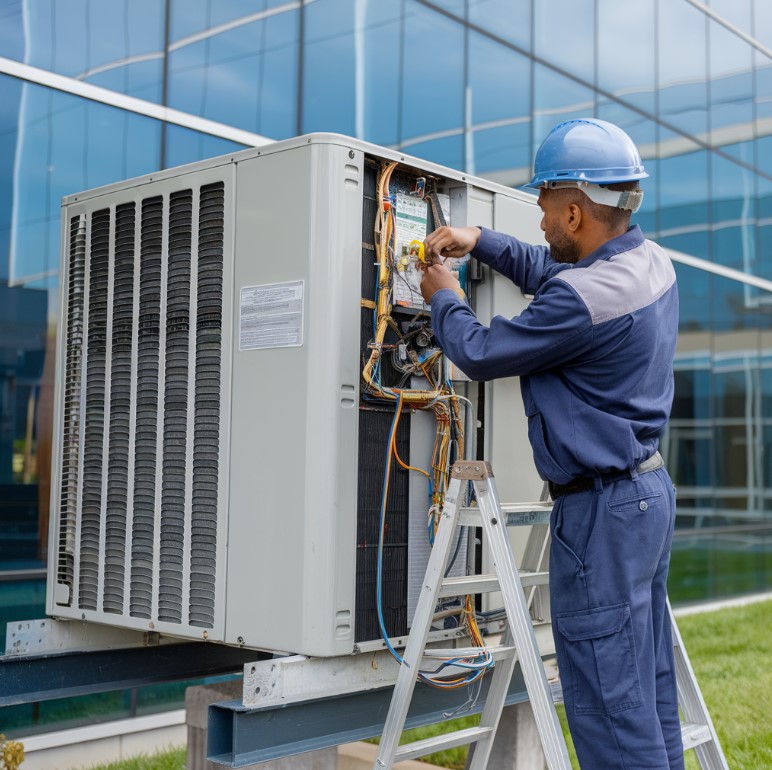
A tune-up typically starts with the thermostat. A technician checks that it’s communicating properly with the system, calibrated correctly, and cycling the AC on and off as expected. A miscalibrated thermostat can make a perfectly healthy system seem like it’s struggling.
Checking Refrigerant Levels
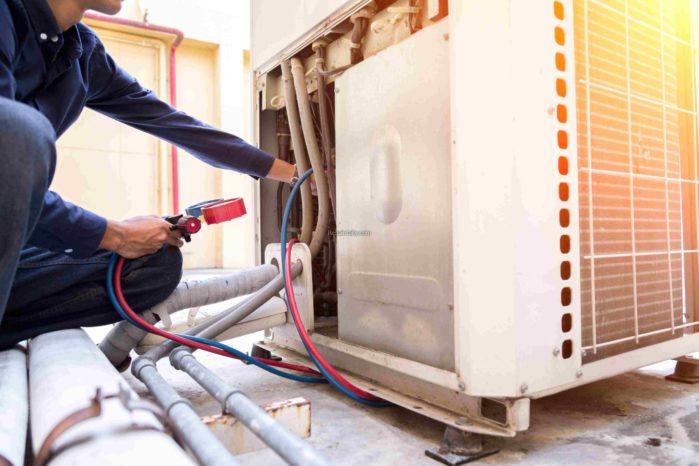
Refrigerant is what allows your AC to actually cool the air, and levels that are too low or too high both hurt performance. A technician measures refrigerant pressure and checks for signs of a leak, since low levels almost always point to one.
Cleaning the Coils
The evaporator and condenser coils absorb and release heat as part of the cooling process. Over time, dust and debris build up on these coils, forcing the system to work harder to maintain the same temperature. Cleaning them restores efficiency and reduces strain on the compressor.
Inspecting Electrical Components
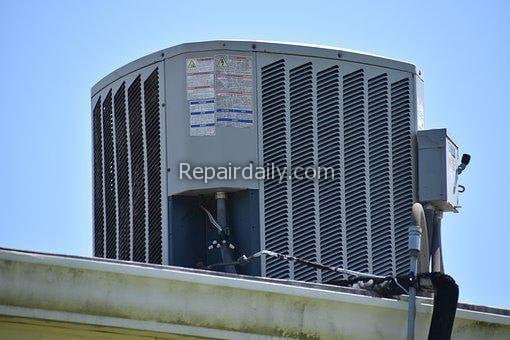
Loose connections, worn contacts, and aging capacitors are common causes of unexpected breakdowns. A technician checks the electrical components for wear, tightens connections where needed, and tests that everything is operating within a safe range.
Lubricating Moving Parts
Motors and other moving parts generate friction over time, which increases energy use and shortens the lifespan of components. Proper lubrication keeps these parts running smoothly and reduces unnecessary wear.
Checking Airflow and Ductwork
A technician typically inspects airflow at the vents and checks the blower components to confirm air is moving through the system efficiently. This step can also reveal duct issues that are quietly reducing performance without an obvious symptom.
Testing the Drainage System
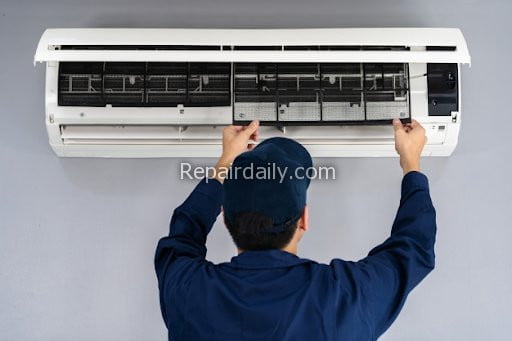
Air conditioners produce condensation as they run, and that moisture needs a clear path to drain. A clogged drain line can lead to water damage or trigger the system to shut off as a safety measure. Clearing and testing this line is a standard part of most tune-ups.
Verifying Overall System Performance
Once everything has been checked and cleaned, a technician typically runs the system through a full cycle to confirm it’s cooling properly, cycling normally, and operating at the efficiency level it should be.

Why This Matters
A tune-up isn’t just routine maintenance — it’s a chance to catch small issues, like a worn capacitor or a minor refrigerant leak, before they turn into a system failure during the hottest part of the year. Homeowners who stay consistent with annual servicing tend to deal with fewer emergency breakdowns and lower repair costs over the life of their unit.
If it’s been more than a year since your last inspection, or if your system has been acting up, it’s worth scheduling an appointment with a technician who offers reliable cooling repair services before summer temperatures peak. A little preventive attention now can save a lot of discomfort — and expense — later.