

Key Takeaways
- Where the condensation forms tell you most of what you need to know: inside the room, outside the glass or between the panes.
- Condensation on the inside of the glass is usually a humidity problem, and it can often be fixed without touching the windows.
- Condensation on the outside of the glass on cool mornings is normal and often a sign of efficient windows.
- Fog or moisture trapped between the panes means the window’s seal has failed, and that cannot be wiped away.
- Ongoing moisture on frames and sills can lead to peeling paint, rot and mold, so it is worth addressing early.
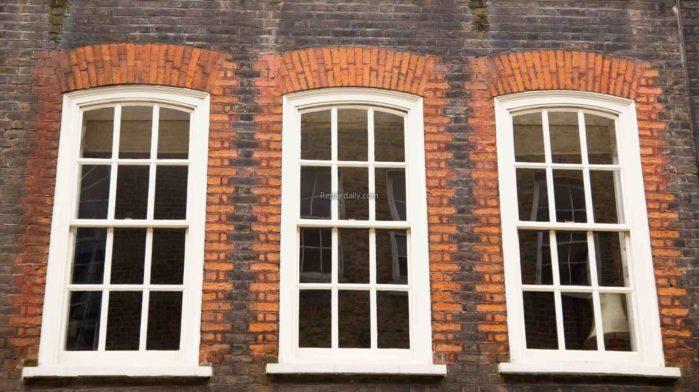
On a cold winter morning, it is common to find the windows fogged up, beaded with water or even edged with frost. Sometimes that is nothing more than the result of a hot shower and a cold night. Sometimes it is a sign that the house has too much moisture, or that a window has stopped doing its job.
The key is figuring out which kind of condensation you are looking at. Here is how to read it and what to do about each type.
Why Condensation Forms in the First Place
Warm air holds more moisture than cold air. When warm, humid indoor air touches a cold surface, it cools down and can no longer hold all of that moisture, so the water condenses into droplets. In winter, windows are usually the coldest surfaces in a room, which is why moisture shows up there first.
Everyday life adds a surprising amount of moisture to indoor air: cooking, showers, breathing, houseplants, drying laundry indoors, unvented gas appliances and humidifiers. In a tightly sealed home, that moisture has fewer ways to escape.
The Three Types of Window Condensation
| Where it forms | What it usually means | What to do |
| Inside the room, on the glass | Indoor humidity is high relative to how cold the glass is | Lower indoor humidity and improve air circulation |
| Outside the glass | Outdoor air is humid and the glass is cool, often on spring and fall mornings | Nothing. It usually means the glass is insulating well |
| Between the panes | The seal on the insulated glass unit has failed | Repair the glass unit or replace the window |

Condensation on the Inside: Usually a Humidity Problem
Moisture on the room side of the glass is the most common type, and in most cases, it points to indoor humidity rather than a bad window. The U.S. Environmental Protection Agency recommends keeping indoor relative humidity below 60 percent, and ideally between 30 and 50 percent. During very cold weather, many homes need to stay toward the lower end of that range to keep windows clear, since the colder the glass, the less moisture the air can hold before it condenses.
A few practical ways to bring humidity down:
- Use exhaust fans. Run the bathroom fan during and for 15 to 20 minutes after showers and use the range hood when cooking.
- Check your humidifier. If you have a whole-house or portable humidifier, turn it down during cold snaps.
- Use a dehumidifier in basements and other damp areas.
- Let air reach the glass. Heavy curtains and closed blinds trap cold air against the window. Opening them during the day helps warm the glass.
- Keep air moving. Ceiling fans on a low setting and open interior doors help even out temperatures.
- Dry laundry outside the living space or make sure the dryer is vented to the outdoors.
- Measure it. An inexpensive hygrometer will tell you your actual humidity, so you are not guessing.
If humidity is under control and condensation still forms heavily on one or two windows, the problem may be the window itself. Older single-pane glass, metal frames that conduct cold, and gaps that let cold air leak in around the sash all make the glass colder than it needs to be.
Condensation on the Outside: Usually Nothing to Worry About
Moisture on the exterior side of the glass shows up most often on cool, humid mornings in spring and fall. It happens because the outer pane stays cool overnight. Energy-efficient windows actually make this more likely, since they keep indoor heat from warming the outside glass. It typically burns off as the sun comes up and does not need any action.

Condensation Between the Panes: A Failed Seal
Most modern windows use an insulated glass unit, two or three panes sealed together around the edges with a spacer, often with an insulating gas between them. When that seal fails, moist outside air works its way into the space between the panes. The result is fog, streaks or a milky haze that cannot be wiped away from either side.
A failed seal does not usually cause water damage on its own, but it does mean the window has lost much of its insulating value and will keep looking cloudy. The usual options are:
- Replace the glass unit. If the frame and sash are in good condition, sometimes just the sealed glass can be replaced.
- Replace the window. If the frame is aging, several windows are failing at once, or the windows are near the end of their service life, full replacement is often the better investment.
Before making a decision, check whether the windows are still under a manufacturer’s warranty, since seal failure is something some warranties cover.
Why It Matters: Damage From Ongoing Moisture
Occasional condensation that clears up quickly is not a problem. Moisture that sits on the glass and drips onto the frame and sill day after day is a different story. Over time it can cause:
- Peeling paint and stained or swollen wood trim
- Rot in wood sills and frames
- Mold or mildew on frames, sills, walls and window treatments
- Water damage to drywall below the window
Wipe away standing water when you see it, and check sills and the bottoms of frames for soft wood or dark spots, especially in bedrooms and bathrooms.
When to Call a Professional
It is time to bring in an expert if you see fog between the panes on several windows, condensation that persists even with indoor humidity in a healthy range, frames that feel drafty or show rot, or frost forming on the inside of the glass on a regular basis.
Climate plays a big role in how often this comes up. Homes in places with long, cold winters see more of it, particularly older houses with original windows and newer homes that have been tightly air-sealed. Homeowners in Morris, Bergen and Essex counties in New Jersey, for example, often notice it in January when overnight temperatures drop and the heat runs constantly. If several windows there are fogging between the panes or showing soft, damaged frames, a company that specializes in window installation in North Jersey can tell you whether replacing the glass or the whole window makes more sense. Wherever you live, a good installer should explain the options rather than defaulting to the most expensive one.
A Quick Winter Window Checklist
- Note where condensation forms: inside, outside or between the panes.
- Check indoor humidity with a hygrometer and adjust if needed.
- Run exhaust fans and open window coverings during the day.
- Wipe away standing water and inspect sills for soft wood or mold.
- Look for fog between panes and check warranty coverage on affected windows.
- Schedule a professional assessment if problems persist or affect several windows.
A little condensation on a cold morning is part of winter. Understanding what it is telling you helps you decide whether to simply turn down the humidifier or start planning for new windows.

Sources
U.S. Environmental Protection Agency, “A Brief Guide to Mold, Moisture, and Your Home”