

Key Takeaways
- Most household leaks are slow and quiet, so they often show up on the water bill before they show up anywhere else.
- A simple water meter test can tell you within an hour or two whether water is escaping somewhere in the house.
- Toilets, irrigation lines and water heaters are the most common sources and the easiest to check yourself.
- Warm spots on the floor, the sound of running water and unexplained cracks can point to a leak under a concrete slab.
- Some leaks can be fixed with a washer or flapper; leaks inside walls or under slabs call for professional detection.
A dripping faucet is easy to spot. The leaks that cause real damage are the ones you cannot see: a supply line weeping inside a wall, a toilet quietly running into the bowl, an irrigation pipe broken under the lawn, or a pinhole leak in a pipe beneath a concrete floor. They can run for weeks or months before anyone notices, and by then the cost has moved from a higher water bill to damaged drywall, warped flooring or mold.
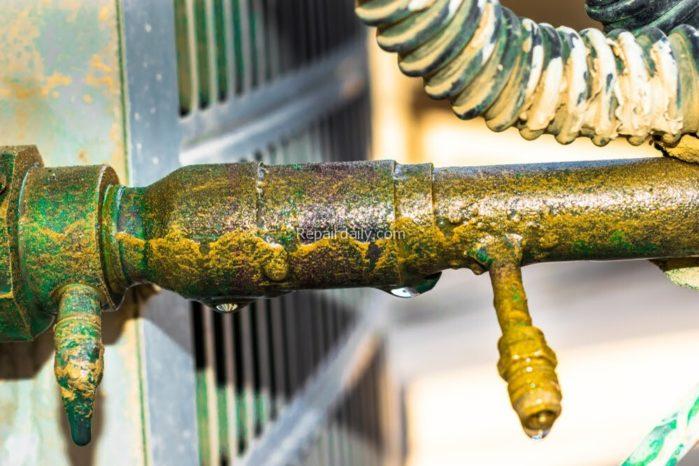
The scale is bigger than most people assume. The U.S. Environmental Protection Agency’s WaterSense program estimates that household leaks waste nearly 10,000 gallons of water per home each year, and that about 10 percent of homes have leaks wasting 90 gallons or more every day. The good news is that finding a leak usually starts with a few simple checks anyone can do.
Step 1: Watch for the Early Warning Signs
Before reaching for tools, take stock of what the house is telling you. Any one of these is worth investigating:
| Sign | What it can point to |
| Water bill higher than usual with no change in habits | A leak somewhere in the system, often a toilet or irrigation line |
| Sound of running water when nothing is on | A running toilet, a leaking supply line or a leak under the floor |
| Musty smell or new stains on walls or ceilings | A slow leak inside a wall or from a fixture on the floor above |
| Warped, soft or lifting flooring | A leak under the floor or from a nearby fixture |
| Patches of unusually green or soggy lawn | A broken irrigation line or a leak in the main water line |
| Warm spots on a tile or concrete floor | A hot water line leaking under a slab |
| Lower water pressure than usual | A significant leak drawing water out of the system |
Step 2: Run a Water Meter Test
The water meter is the single best tool for confirming a leak, and it costs nothing to use. Here is how to do it:
- Turn off every water fixture and appliance in the house, including the dishwasher, washing machine, ice maker and irrigation system.
- Find your water meter, usually in a box near the street or sidewalk. Many meters have a small triangle or dial called a leak indicator that spins when water is moving.
- Check whether the leak indicator is moving. If it is, water is flowing somewhere.
- For a slower leak, write down the meter reading, wait one to two hours without using any water, and read it again. Any change means water is escaping.
To narrow it down, find the main shutoff valve where the water line enters the house and close it, then check the meter again. If the meter stops, the leak is inside the house. If it keeps moving, the leak is likely in the line between the meter and the house or in the irrigation system.
Step 3: Check the Usual Suspects
Toilets
Toilets are one of the most common sources of hidden leaks because a worn flapper lets water trickle into the bowl silently. To check, put a few drops of food coloring in the tank and wait 15 minutes without flushing. If color appears in the bowl, the flapper is leaking. Flush afterward so the dye does not stain.
Irrigation systems
Sprinkler and drip lines run underground and are easy to damage with a shovel or a lawn aerator. Walk the yard looking for soggy patches, pooling water or heads that bubble when the system is off. If the meter test points outside the house, the irrigation system is a good place to start.
Water heater
Look for moisture around the base of the tank, rust stains, or water dripping from the temperature and pressure relief valve’s discharge pipe. Any of these is worth having checked.
Under sinks and behind appliances
Supply lines to sinks, toilets, dishwashers, refrigerators and washing machines can loosen or crack over time. Look at the connections with a flashlight, feel for dampness in cabinet floors, and check behind the washing machine and refrigerator for stains or warped flooring.
Step 4: Know the Signs of a Slab Leak
In many homes, especially those built on concrete slabs, water supply lines run beneath the floor. When one of those pipes develops a leak, there is often no visible water at all. Instead you may notice:
- A warm or hot spot on the floor, which suggests a leaking hot water line
- The sound of running water under the floor when everything is off
- New cracks in flooring or baseboards
- Damp carpet or padding with no obvious source
- A water heater that seems to run constantly
Slab leaks are especially relevant in parts of the country where slab construction is common. In Southern California’s Conejo Valley, for example, a large share of homes in Thousand Oaks, Newbury Park and Simi Valley were built from the 1960s through the 1980s on concrete slabs with water lines running underneath. A homeowner there who finds a warm spot in the hallway and a meter that will not stop moving would want a licensed plumber in Thousand Oaks to confirm the location before anyone starts breaking concrete. Wherever you live, the principle is the same: pinpoint first, then open the floor.
Step 5: Decide What You Can Fix and What You Cannot
| Leak source | Usually DIY-friendly? | Notes |
| Toilet flapper | Yes | Inexpensive part, simple swap |
| Dripping faucet | Often | Depends on the faucet type and parts |
| Loose supply line connection | Often | Snug the fitting or replace a braided line |
| Irrigation line break | Sometimes | Shallow drip lines are manageable; main lines may not be |
| Water heater leak | Rarely | Leaks from the tank itself usually mean replacement |
| Leak inside a wall | No | Needs access, repair and drying |
| Slab leak | No | Needs professional detection and a repair plan |
Professional leak detection uses tools like acoustic listening equipment, thermal imaging and pressure testing to locate a leak without tearing open walls or floors on a guess. For slab leaks, the repair might mean opening the floor at one spot, rerouting the line through the walls or attic, or replacing the line altogether. A good plumber will explain the trade-offs rather than recommending only one option.
Step 6: Limit the Damage While You Wait
If you have confirmed an active leak and cannot fix it right away, a few steps help protect the house:
- Close the shutoff valve for the affected fixture, or the main shutoff if the source is unknown and the leak is significant.
- Move furniture, rugs and belongings away from wet areas.
- Dry what you can with towels, fans and a dehumidifier.
- Take photos of the damage and keep receipts in case you need to file an insurance claim.
- Turn off the water heater if you shut off the main water supply for an extended period, following the manufacturer’s instructions.

Make Leak Checks a Habit
The best time to find a leak is before it finds you. Glance at your water bill each month and compare it with the same month last year. Run a meter test a couple of times a year, and repeat the toilet dye test whenever a toilet seems to refill on its own. Know where your main shutoff valve is and make sure everyone in the house can reach it. These habits take minutes, and they are often the difference between replacing a flapper and replacing a floor.
Sources
U.S. Environmental Protection Agency, WaterSense program, “Fix a Leak Week” household leak estimates