

An inherited house with an old kitchen, floral carpets and a bathroom that has seen better days can look like a very long to-do list. But that doesn’t mean you need to fix everything.
There is a big difference between repairing a leaking roof and replacing an old kitchen. One stops the house from being damaged, the other is a gamble that the next owner will like what you choose.
That matters when you are dealing with a property after someone has died. Executors are responsible for looking after the estate until everything can be passed on or sold. If the house needs work during that time, they may have to decide what is worth fixing and what is better left for the next owner. So where should the money go?
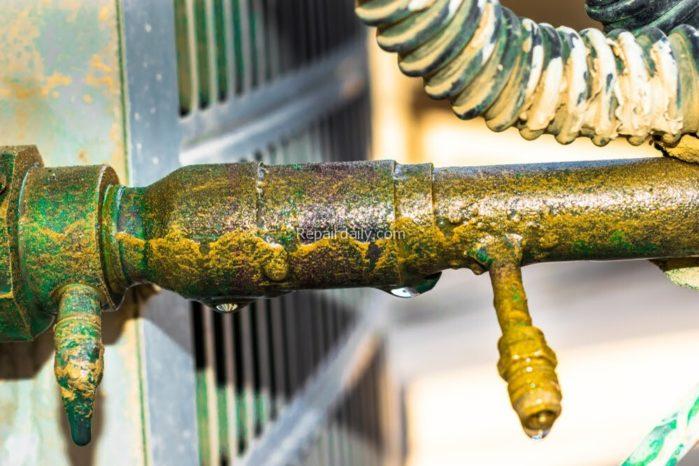
Fix anything that is getting worse
A dated kitchen can wait. Water coming through the ceiling cannot.
The first jobs to deal with are the ones that could become much bigger problems if they are ignored. A slipped roof tile, leaking pipe, broken window or blocked gutter might be fairly straightforward to fix. Leave it for months, though, and you could end up with damaged walls, rotten wood, mold or ruined flooring.
Security matters too. Broken locks, damaged doors and windows that won’t close properly should not be ignored, especially if nobody is living in the house.
Empty homes need looking after. During winter, for example, some heating may be needed to stop pipes from freezing. The property also needs to stay properly insured while it is empty.
These aren’t exciting jobs, after all, nobody wants to spend money clearing gutters. But stopping a house from being damaged usually makes more sense than replacing something just because it looks old.
Don’t renovate someone else’s house for them
This is where things can get expensive. Maybe the kitchen is 25 years old, the carpets are patterned, there is wallpaper in every room and a bathroom suite nobody would choose today.
None of that means it has to be replaced before the house is sold.
A buyer may walk through the door already planning to rip the kitchen out. They might want wooden floors instead of the carpet you’ve just paid for. They could hate the bathroom tiles you carefully picked.
Spend £15,000 updating a house and there is no guarantee somebody will pay £15,000 more for it.
Some buyers are actually looking for properties that need work because they want to make their own choices.
So before starting a big renovation, ask whether you are fixing a genuine problem or just changing something you personally don’t like.
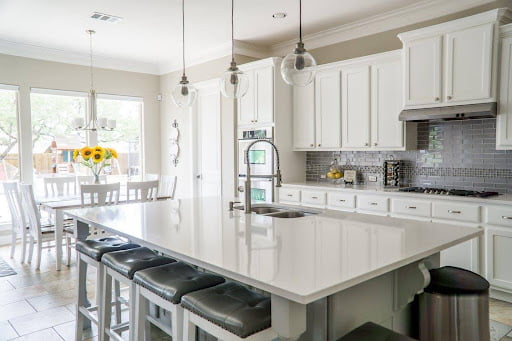
Small jobs can still make a big difference
Leaving the avocado bathroom suite alone doesn’t mean you should ignore the whole house.
There is plenty of middle ground between a full renovation and doing nothing.
A deep clean can make a huge difference. So can fixing a dripping tap, replacing a broken handle, touching up badly marked walls or cutting back a garden that has become completely overgrown. Try asking a different question.
Instead of, “How do we make this house look new?”, ask, “What is stopping buyers from seeing the house properly?” There is little point spending thousands on a new bathroom if people walk through the front door and find a hallway packed with boxes or a garden hidden behind waist-high weeds.
Clear enough space to see what needs fixing
Inherited houses often come with another problem. They are still full of someone’s things.
There may be furniture, books, clothes, paperwork and boxes in almost every room. Apart from making the house difficult to photograph and show to buyers, this can hide problems. You may not spot damp behind a wardrobe until the wardrobe has been moved. A tradesperson cannot easily repair a wall if they cannot get to it.
That doesn’t mean everything needs to be thrown away. Family members may still be deciding what they want to keep. Furniture and other items can be moved into specialist furniture storage while the house is being cleared, repaired or prepared for sale.
Once the rooms are easier to move around, you can get a much better idea of what condition the house is actually in.
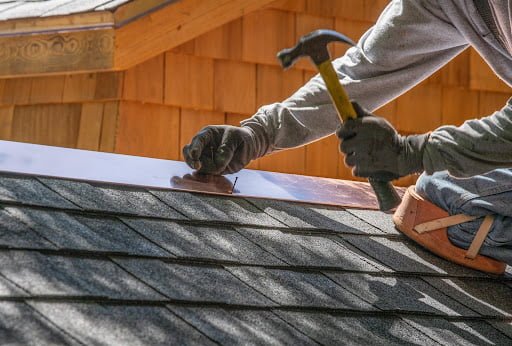
Think carefully about bigger repairs
Some of the most important problems are also the least exciting. Roof damage, faulty electrics, drainage problems and structural issues won’t make the estate agent’s photos look prettier. But they could become important when a buyer has a survey carried out.
That doesn’t always mean the estate should pay to fix everything.
If a house needs a large amount of work, it may make more sense to find out what the problem is, get quotes and take the cost into account when setting the sale price.
The important thing is knowing what you’re dealing with. There is a big difference between a house that looks old and a house that is being damaged because repairs are being put off.
What if there isn’t enough money for the repairs?
This can be one of the harder parts of dealing with an inherited property.
The house itself might be worth hundreds of thousands of pounds, but that doesn’t mean the estate has thousands of pounds sitting in a bank account ready to spend. Unfortunately, a leaking roof isn’t going to wait until the house has been sold.
Executors can find themselves facing repair and maintenance bills while much of the estate’s money is still tied up in the property. If that happens, it is worth understanding what if an executor cannot afford to maintain a property and what options may be available.
It is also another reason not to spend money where it isn’t needed. Paying to stop water coming through the roof is one thing. Replacing an avocado bathroom because you don’t like the colour is another.
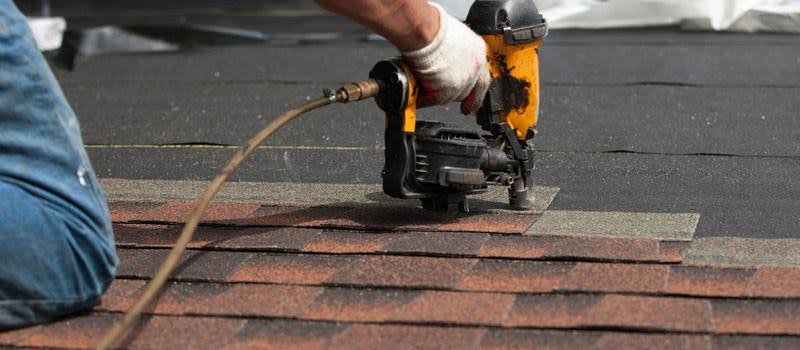
Get it ready to sell, not ready to live in
Perhaps the easiest mistake is treating an inherited house as though you are preparing to move into it yourself. You aren’t.
You don’t need to choose your dream kitchen, replace every carpet or find the perfect colour for the walls. The aim is much easier: stop the house from getting worse, deal with problems that really need attention and make it easy for buyers to see what they are buying.
Sometimes that means spending money. Sometimes it means leaving something exactly as it is. And sometimes the best thing you can do for a fixer-upper is leave some of the fixing to the person who eventually buys it.